
Thypoch Simera 50mm f1.4 Review - Great Value For Money
Thypoch Simera 50mm f/1.4 review for Leica M photographers: modern rendering, close focus, low weight, and impressive value. A great all-around package.
Together with the 75mm Simera f/1.4, I have been sent this lens to test out. I won't be keeping this lens and Thypoch won't see this blog post before it's being released.
I'm an avid 50mm shooter. I went on a trip to China last year with the TTArtisan 50mm f/1.4 as the sole lens during the entire trip. One thing I quickly noticed was its heft (400g) when I wore the Leica M2 with the TTArtisan around my neck all day.
When I unpacked this Simera 50mm f/1.4, it felt a lot lighter compared to the TTArtisan, which is made in brass. With this aluminum build, the lens already felt far more balanced on the camera.
Looking for all images made with this lens? They're at the bottom of the blog post!
Too Long, Didn't Read...
I gave this lens an “Excellent” Seal of Approval. It focuses as close as 0.45m, has lovely color separation, and strikes a really nice balance between size, weight, and performance at just 281g. Thanks to its optical floating lens element block, it also shows no focus shift. There's also good microcontrast and flare control.
The downsides are minor. There is a very slight bit of chromatic aberration and optical vignetting, but only in specific situations. It is also a little less rain-resistant than other M mount lenses, largely because of the depth-of-field marking design.
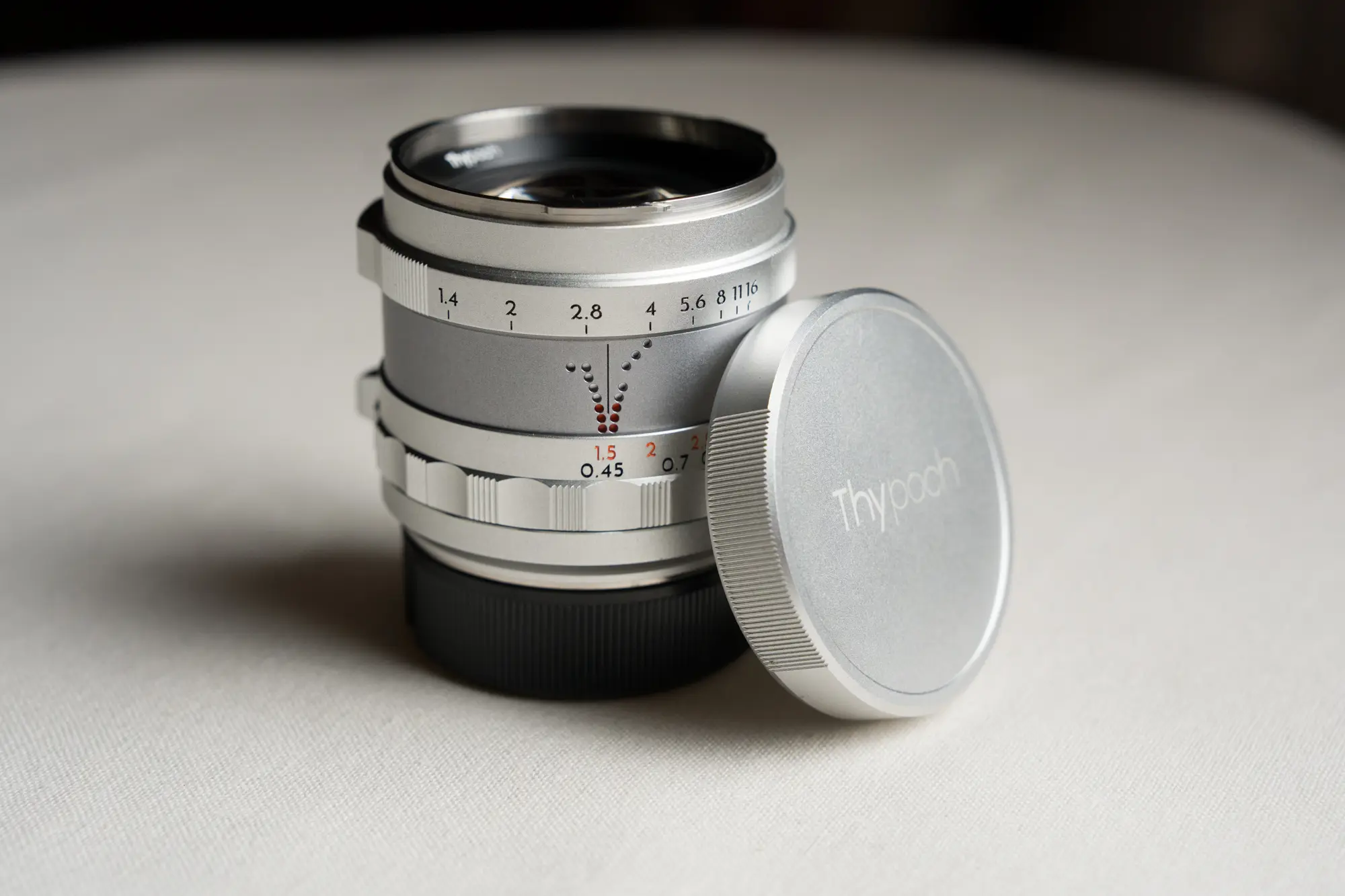
At $749 / €709 from the Thypoch Store, I think it offers good value. Thypoch also tends to run substantial discounts, often around 15–20%, and the code LEICALENSLIST gives you an extra 5% off on top. You also get nice presentation in the box, plus an aluminum square hood and two lens caps, including one that press-fits onto the hood.
One surprise bonus: it is genuinely usable for video too, since the aperture can be declicked, for those who care about it.
Overall, I think this is a very good lens for the money, and one I can comfortably recommend.
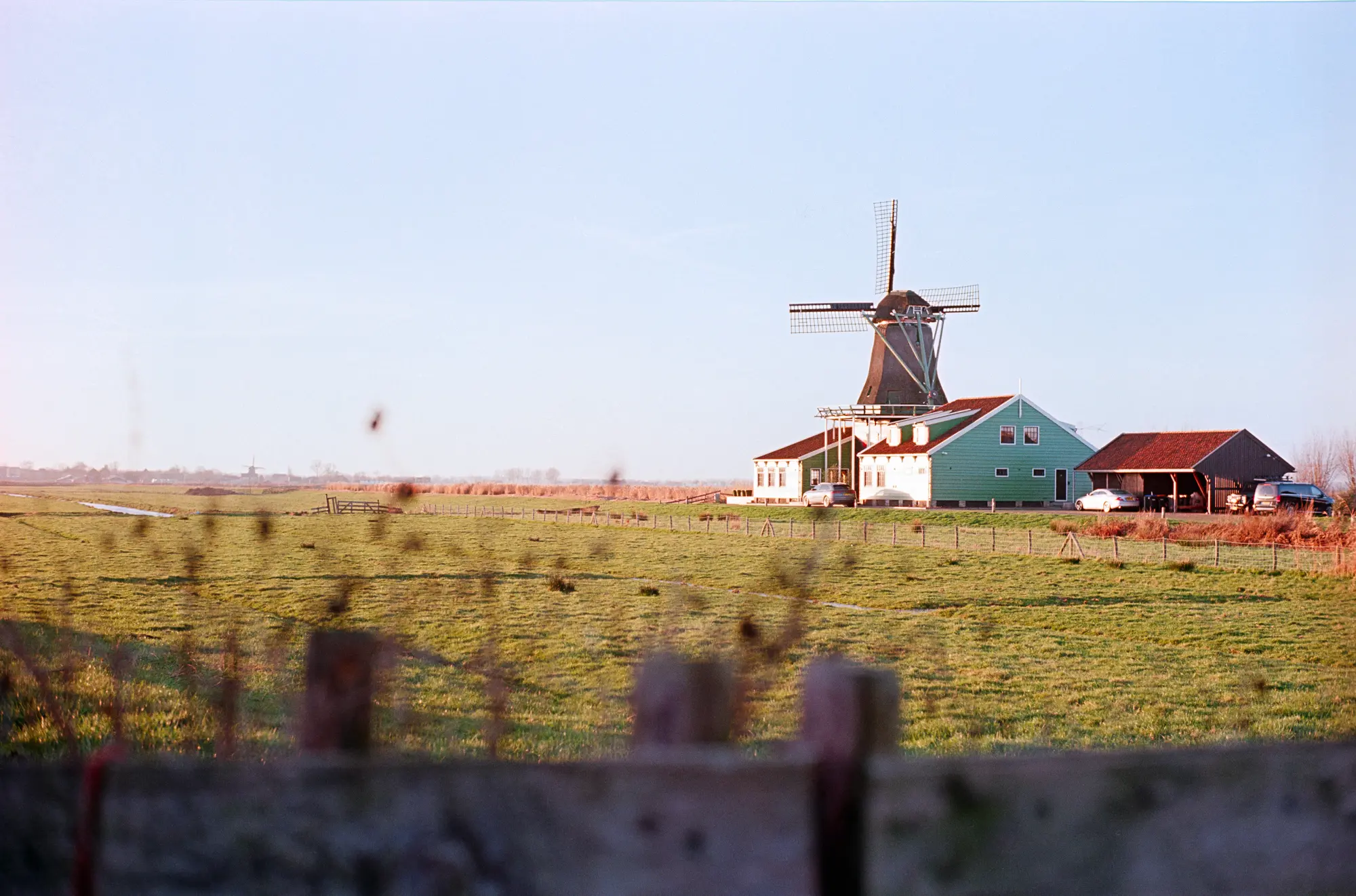
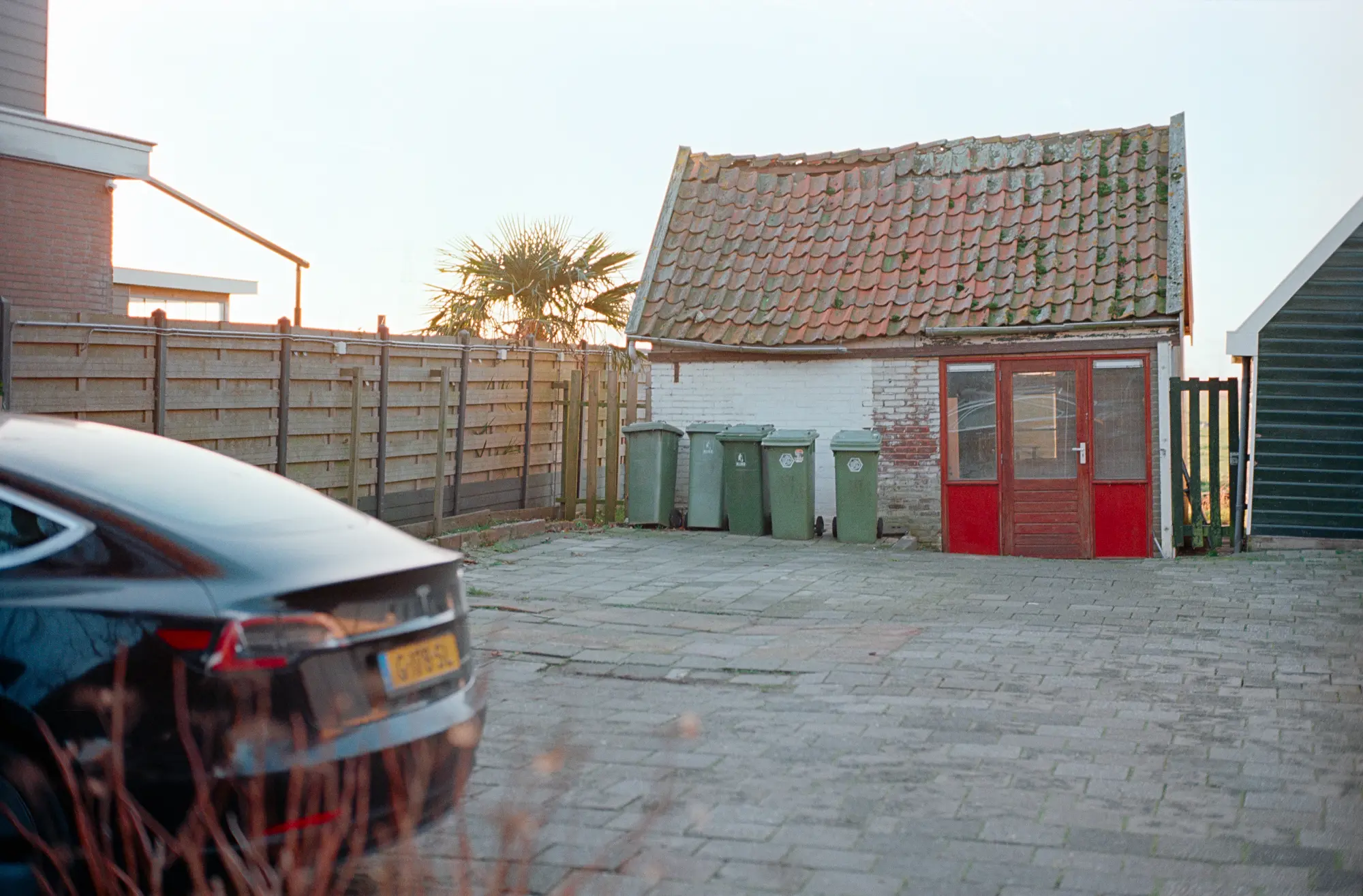
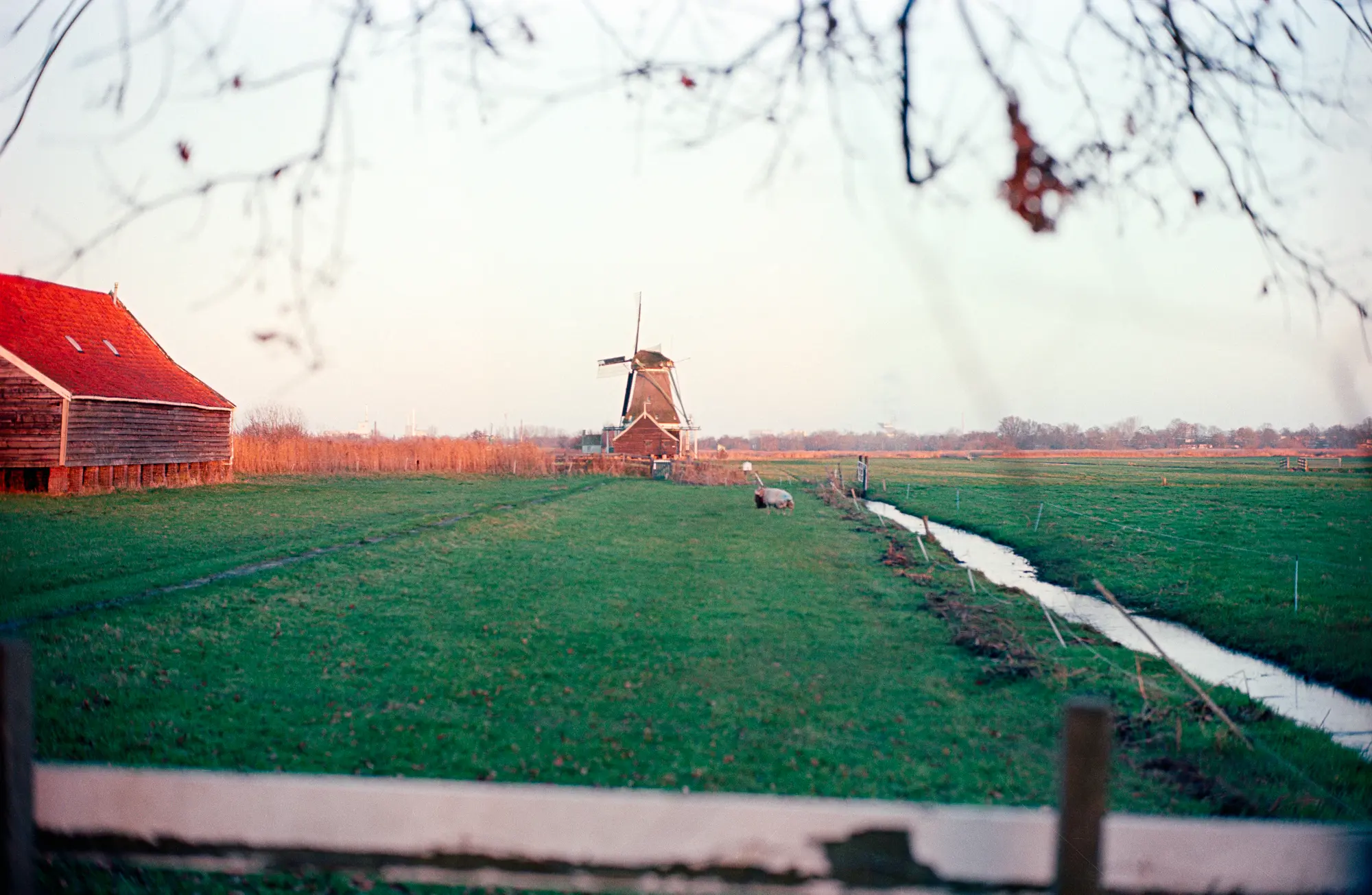
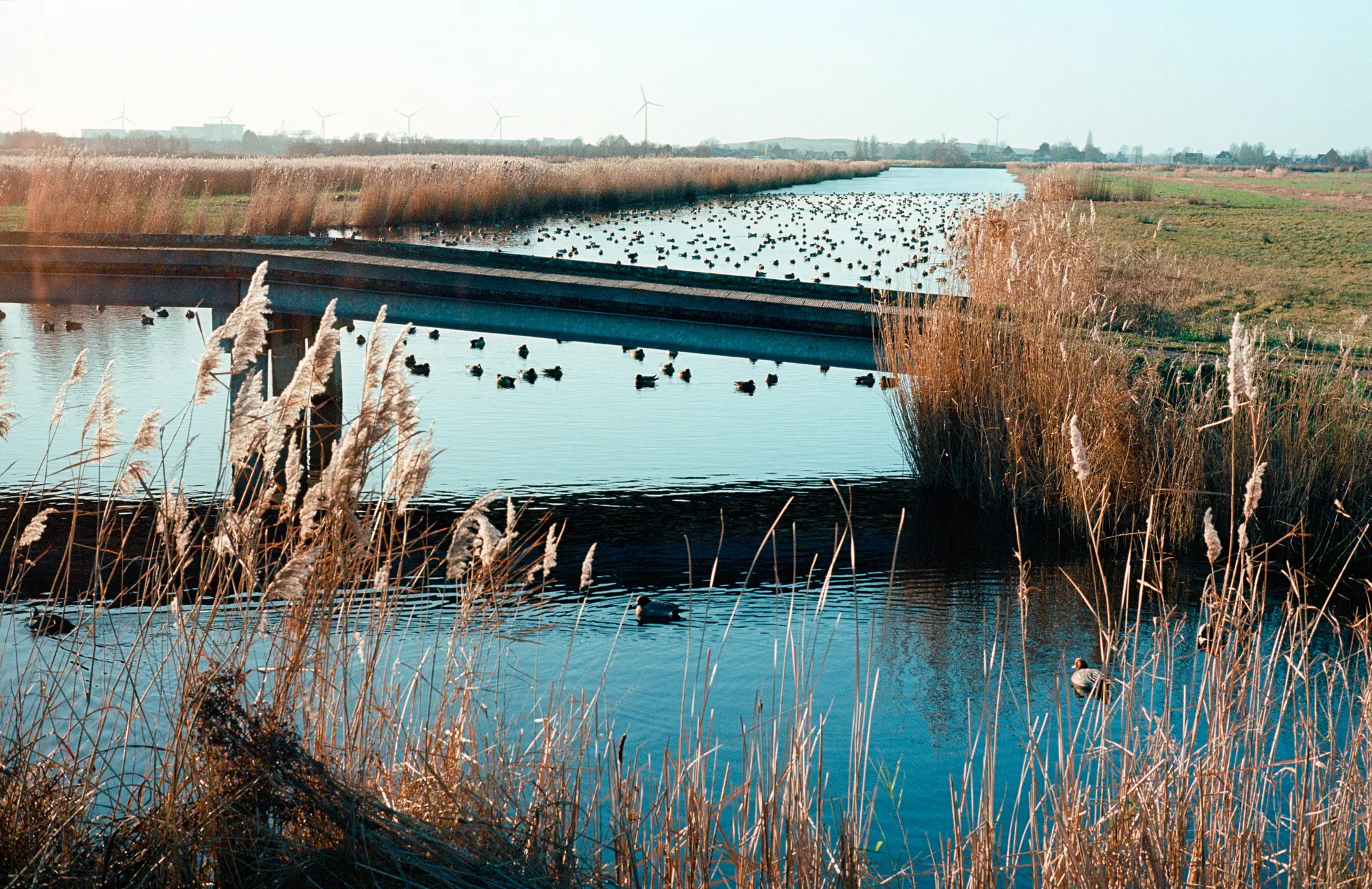
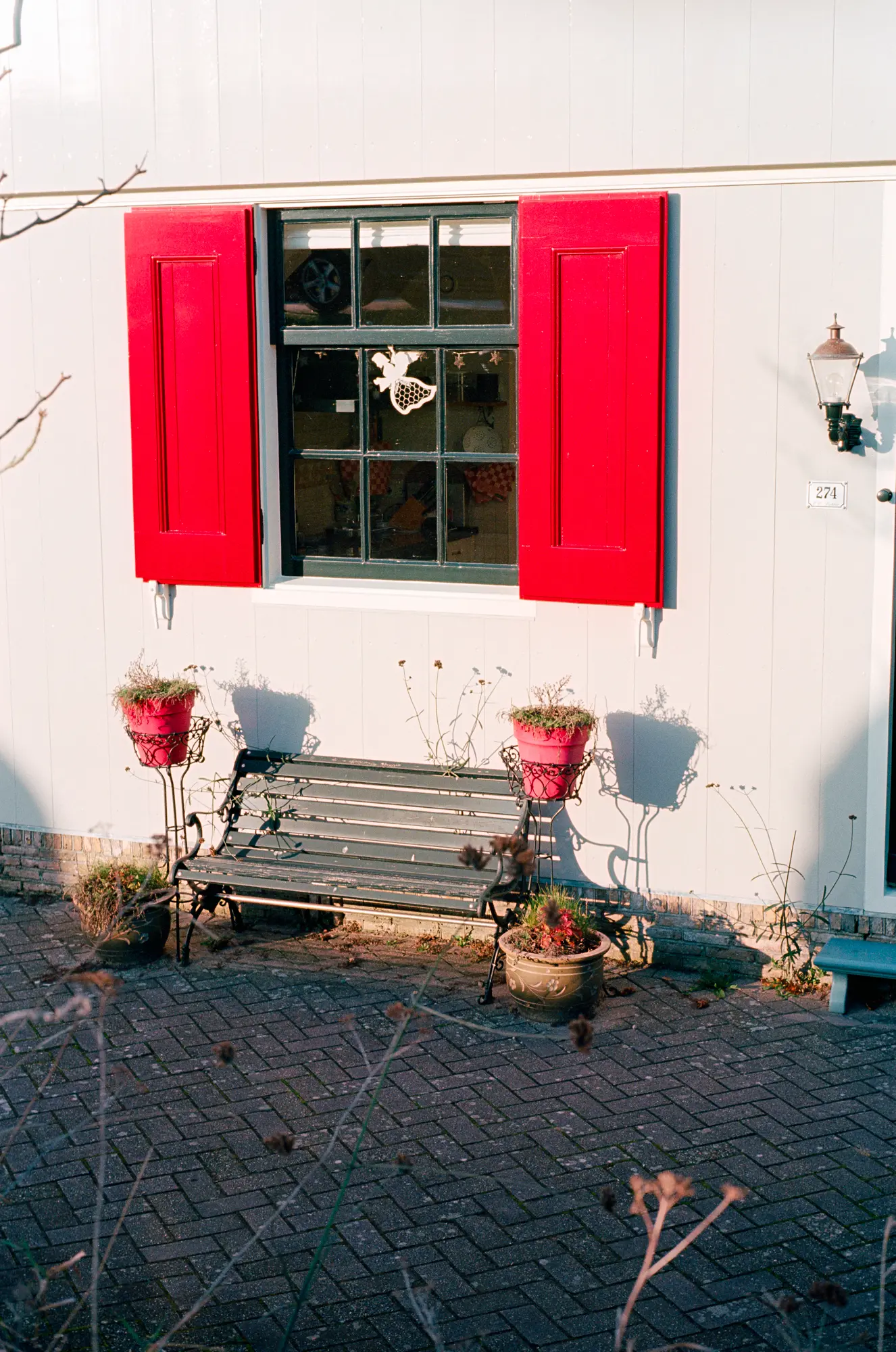
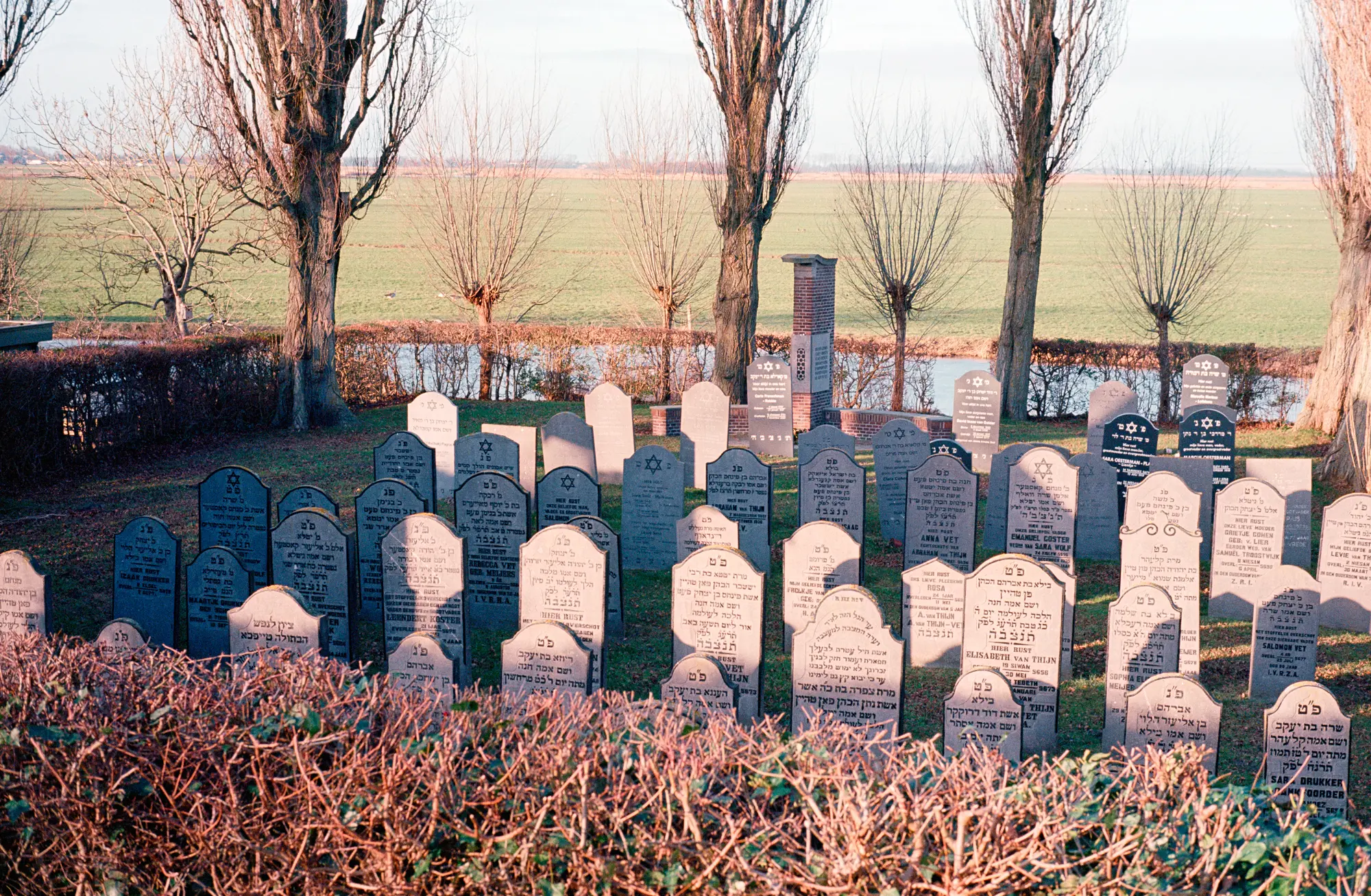
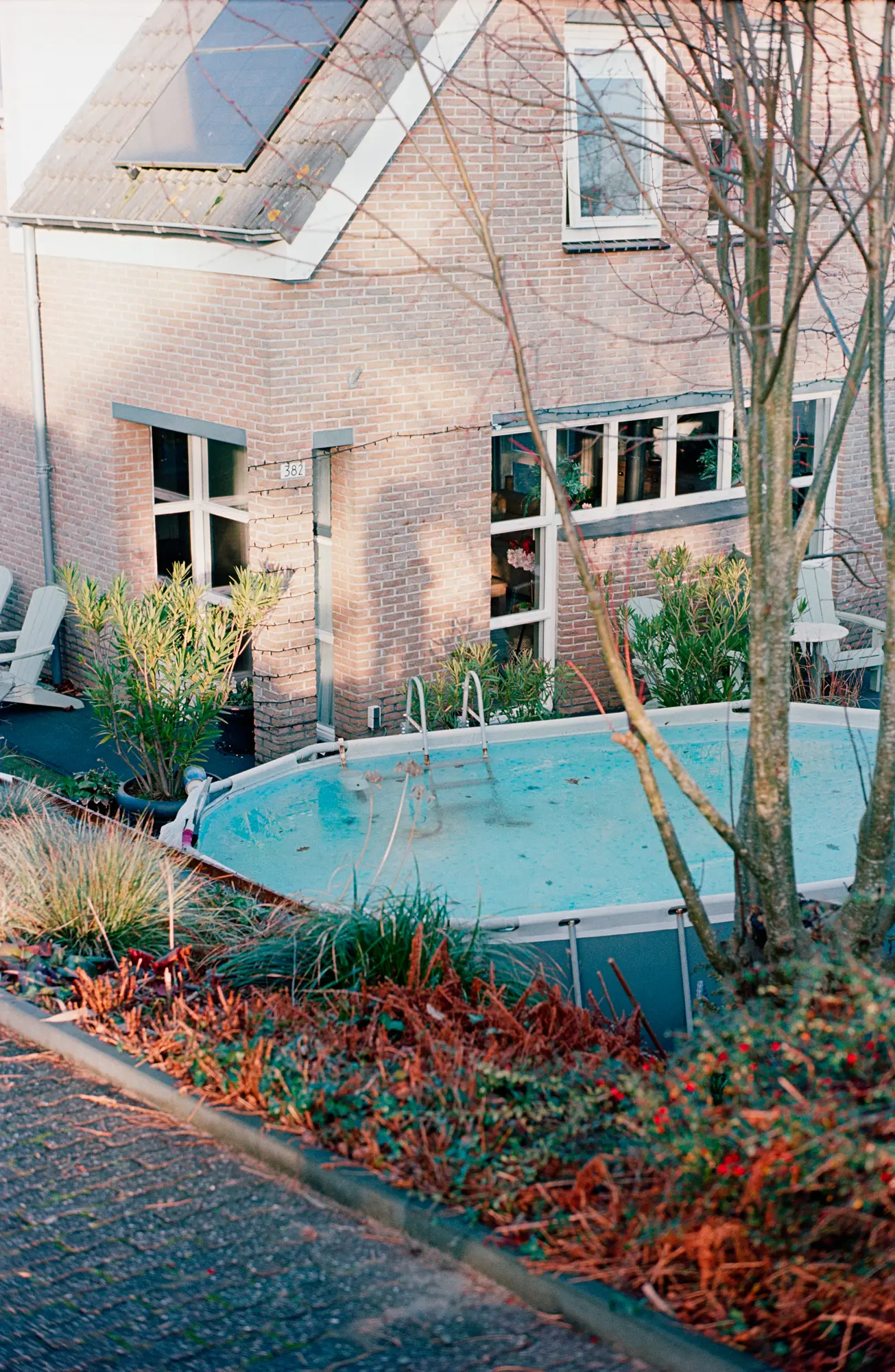
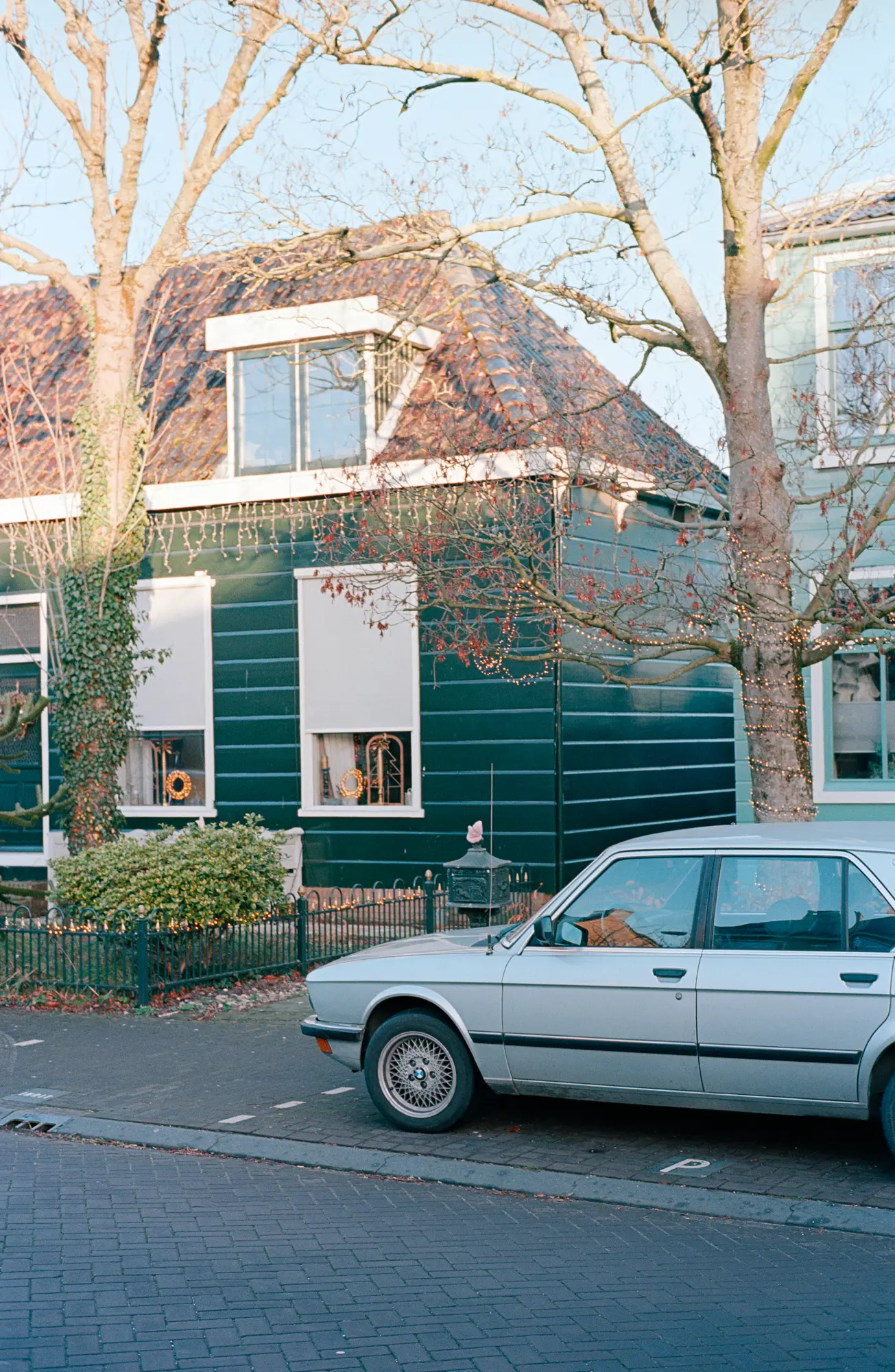
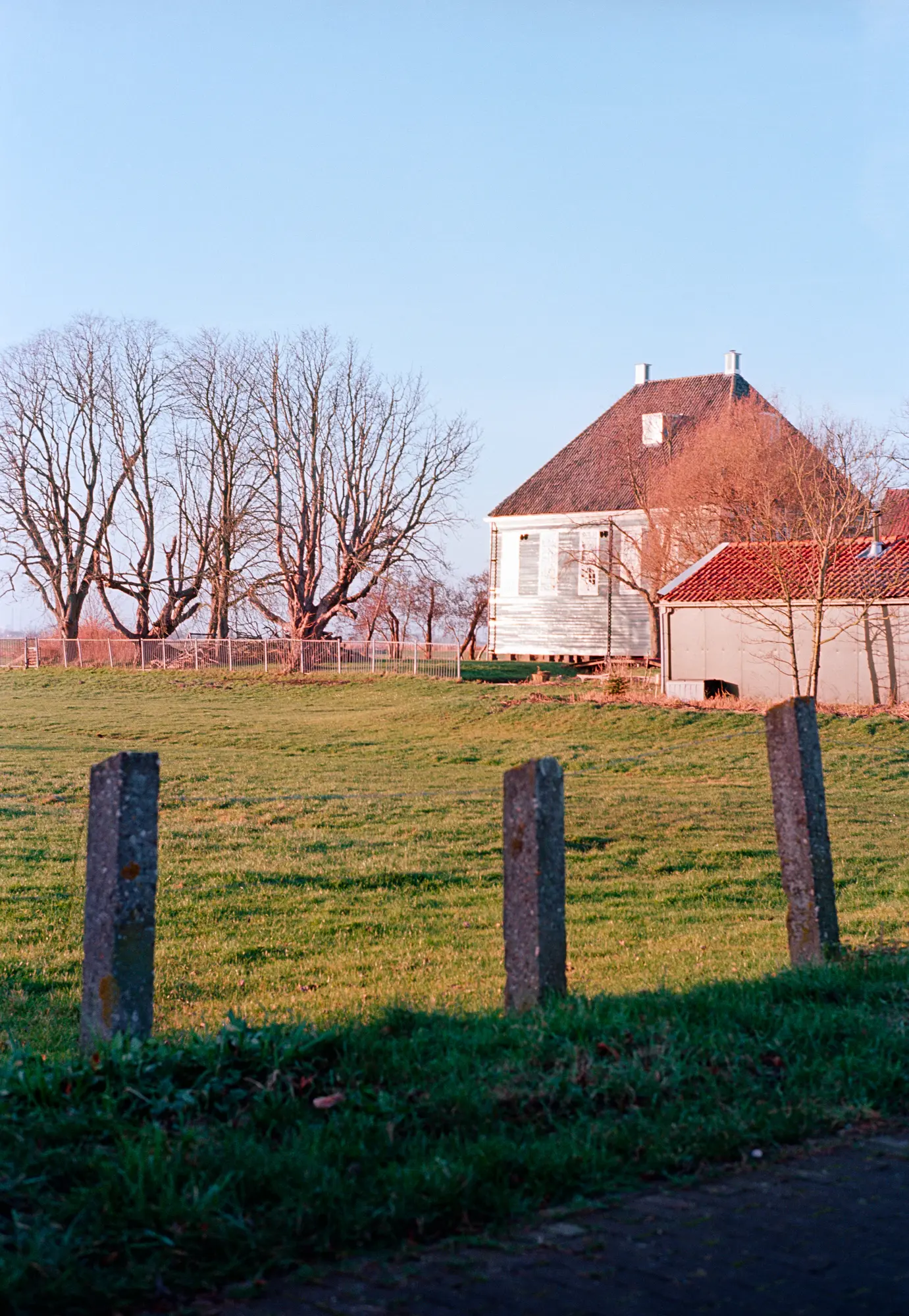
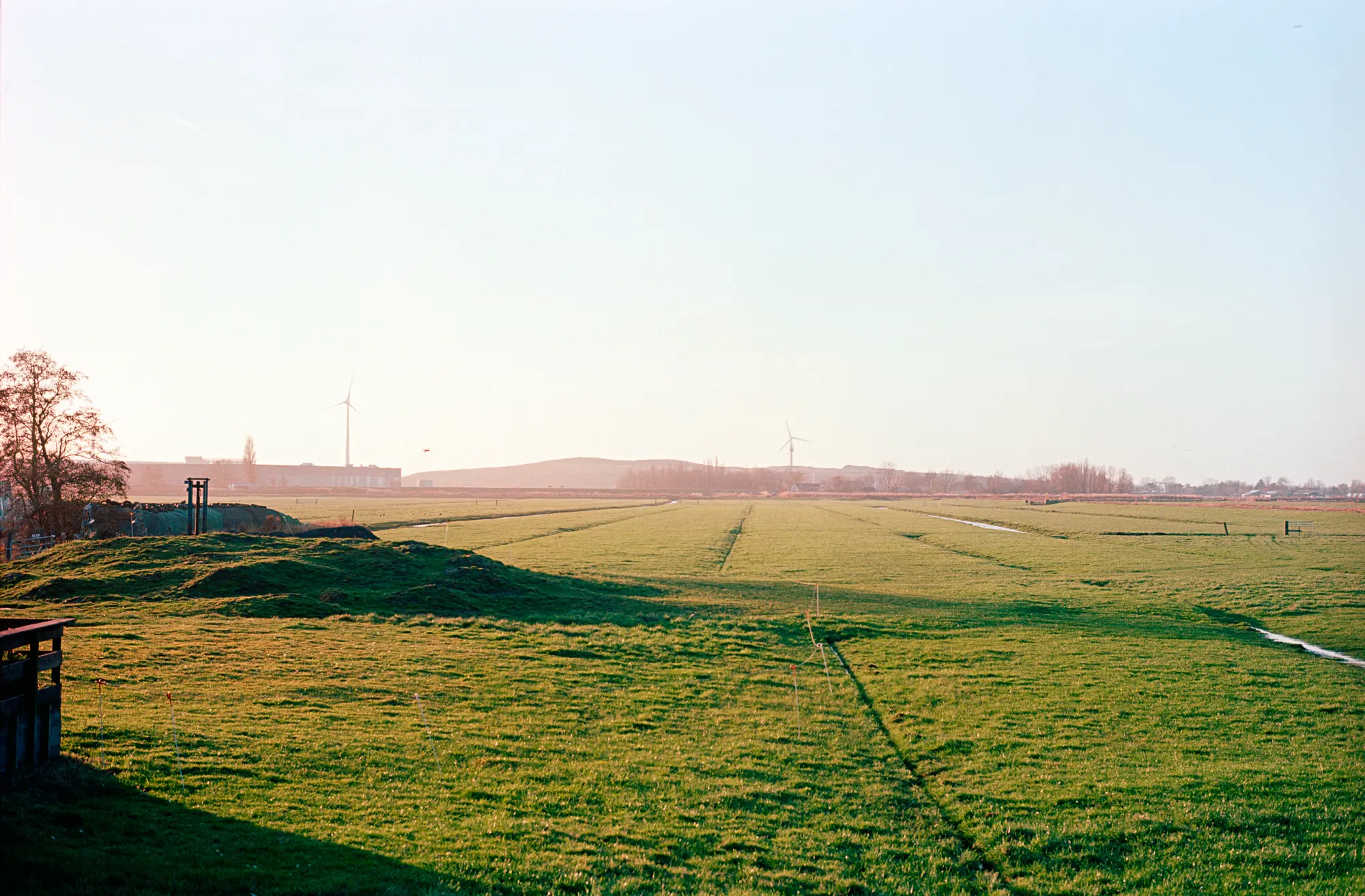
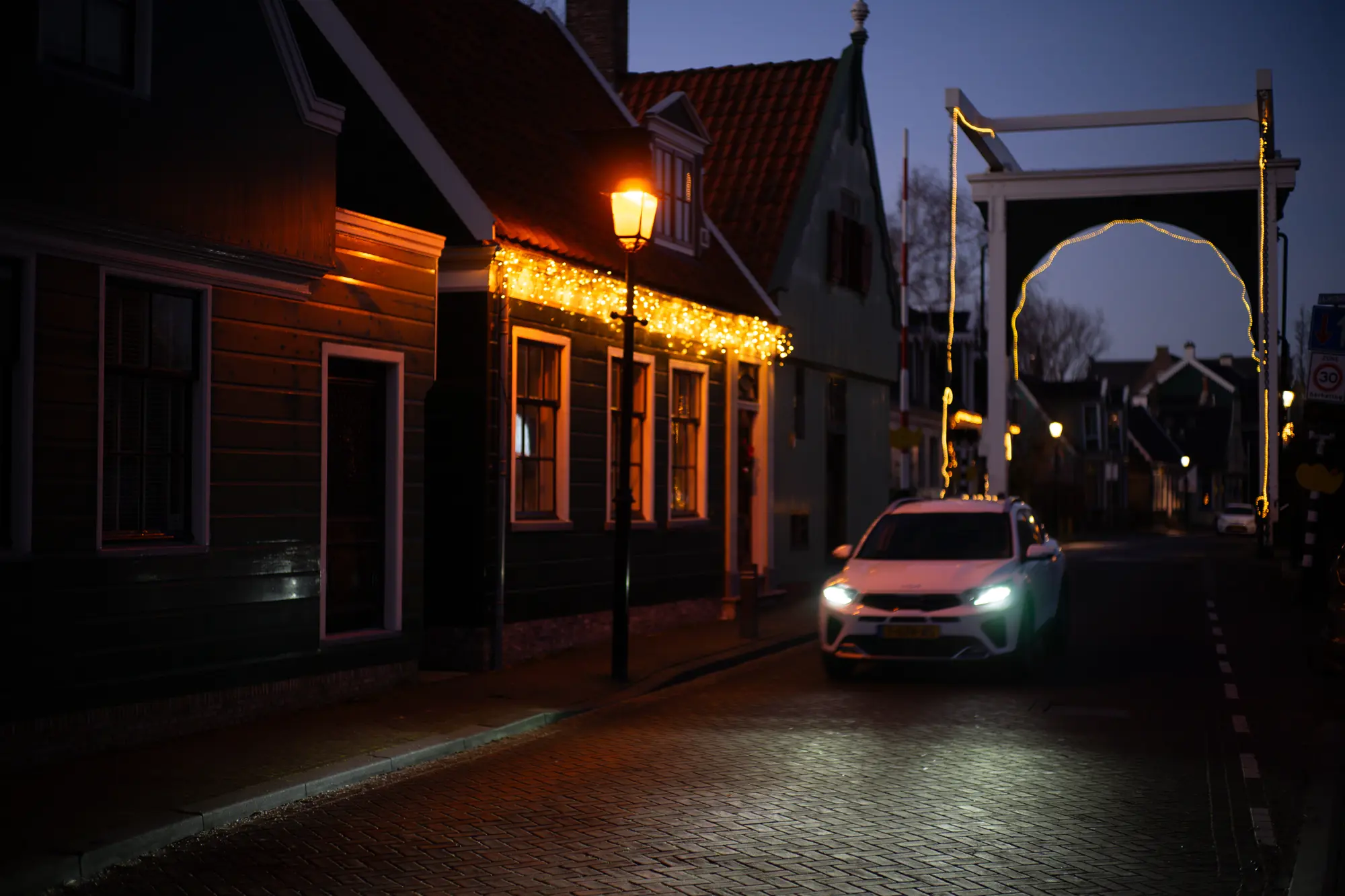
With this lens I packed up and went to Westzaan, which is a small town in the west of the Netherlands. Brought a roll of Ektar 100 and went for a walk. It was a sunny day, so a good day to test out flare control as well as the color separation! The images that I take today is without the lens hood as I feel it's a better way to test the coatings.
Prefer a YouTube video instead, where I'll be visiting the old town of Westzaan? View it here.


Pros
- Fast f/1.4 aperture – Great for low-light shooting and strong subject separation, especially useful on film.
- Very close minimum focus distance (0.45m) – Allows for more creative shots and stronger background blur than most M-mount 50mm lenses.
- Smooth and clean bokeh thanks to 14 aperture blades, with very soft falloff.
- Good sharpness already at f/1.4, even at close distances.
- Floating element design helps maintain performance across the focus range and prevents focus shift.
- High build quality with a solid aluminum construction and smooth focus tab operation.
- Well balanced weight (281g) – noticeably lighter than some competitors like the TTArtisan 50mm f/1.4.
- Excellent flare control, even when shooting into direct sunlight without a hood.
- Good microcontrast and color separation, giving images a slightly modern look.
- Declickable aperture makes it usable for video as well.
- Premium packaging and included accessories like the square hood and metal caps.
- Strong value for money compared to Leica alternatives.
Cons
- Slight chromatic aberration in certain situations, especially wide open.
- Some optical vignetting visible at wider apertures.
- Depth of field markings are red and can be hard to read in low light.
- Depth of field marker design may make the lens slightly less resistant to rain.
- Lens hood can feel a bit inconvenient when frequently storing the camera.
- Close focus below 0.7m is not usable on rangefinder-only bodies without live view.
Neutral considerations
- Rendering leans slightly modern, with higher contrast and a cleaner look rather than a vintage character.
- Focus throw is moderate (~140°), with a shorter throw between 0.45m and 0.7m.
- Square hood design is visually distinctive but may not suit everyone’s preference.

The Lens
Build quality wise, I immediately noticed that absolutely nothing was loose on this lens. It felt like it had never been messed with. Crispy aperture clicks with smooth focus tab control. When you move the focus lever the lens block inside the lens is moving rather than the barrel extending. Due to this, the action is slightly more dampened compared to the 50mm f/2.2 Color Skopar or the 35mm f/1.4 Nokton, for reference.
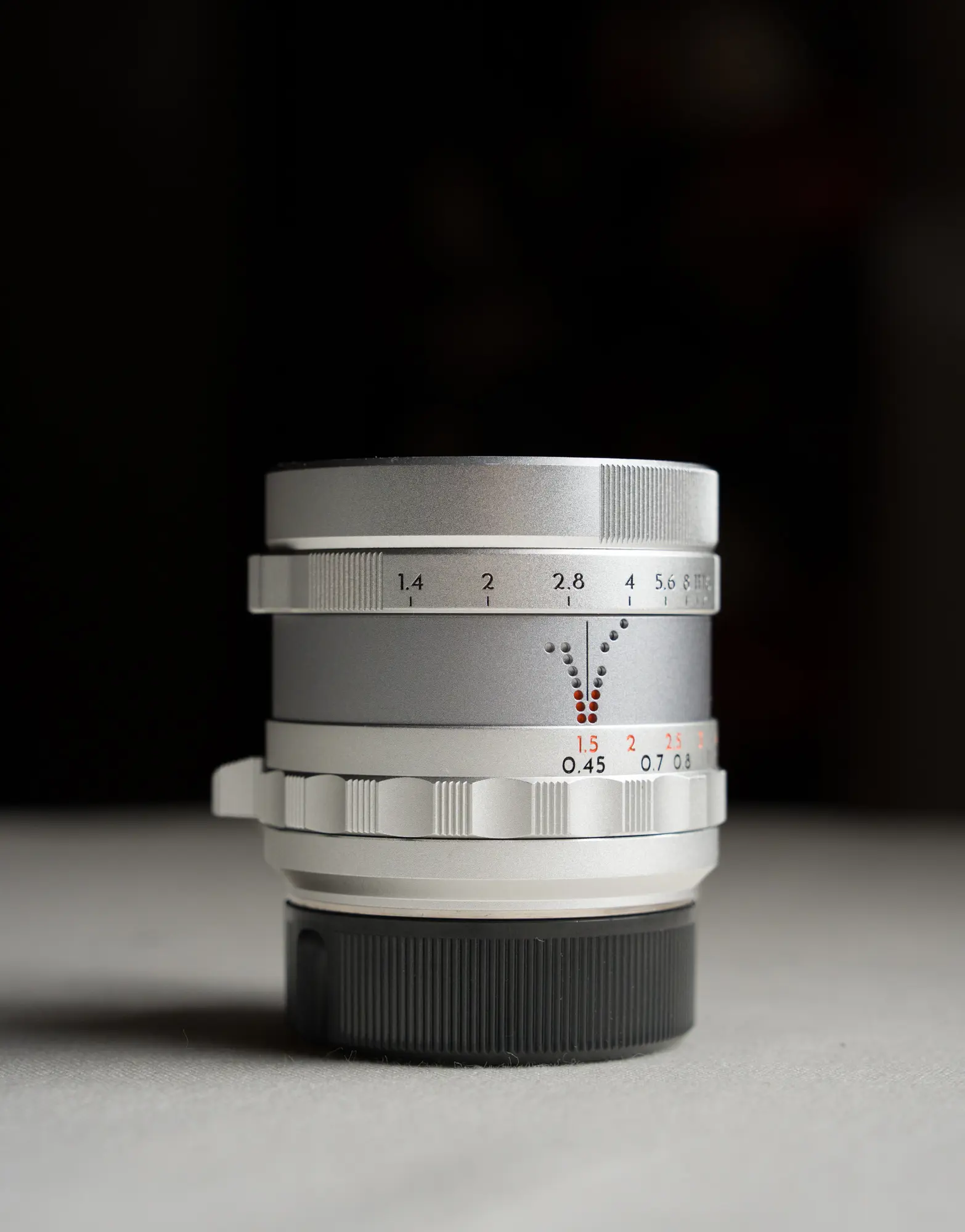
What I also like a lot about the look of the lens is the silver aluminum sheen of this lens. It's very subtle but it does look like a high quality material.
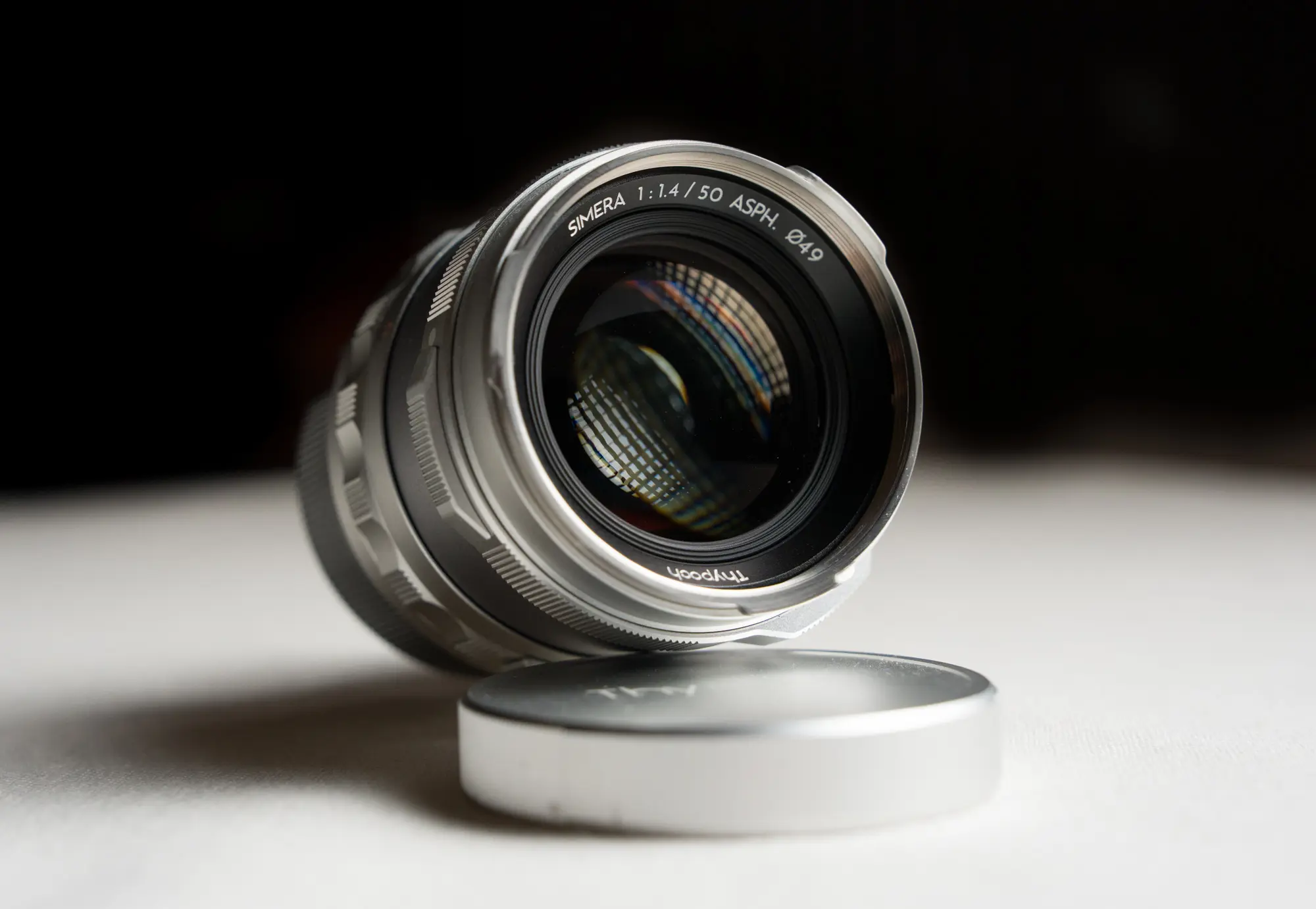
This lens comes with a 49mm filter thread, which is also the same for the 28mm and 35mm f/1.4 Simera.
Aperture
With its fourteen aperture blades, the 50mm Simera has very soft falloff compared to other M mount lenses, which often are between 7 and 11 aperture blades. It gives it a more of a cinematic look and will give very soft out of focus areas, which is great for specific occasions. According to Philip Reeve his test the lens starts showing nice sunstars from f/4 onward.

The packaging
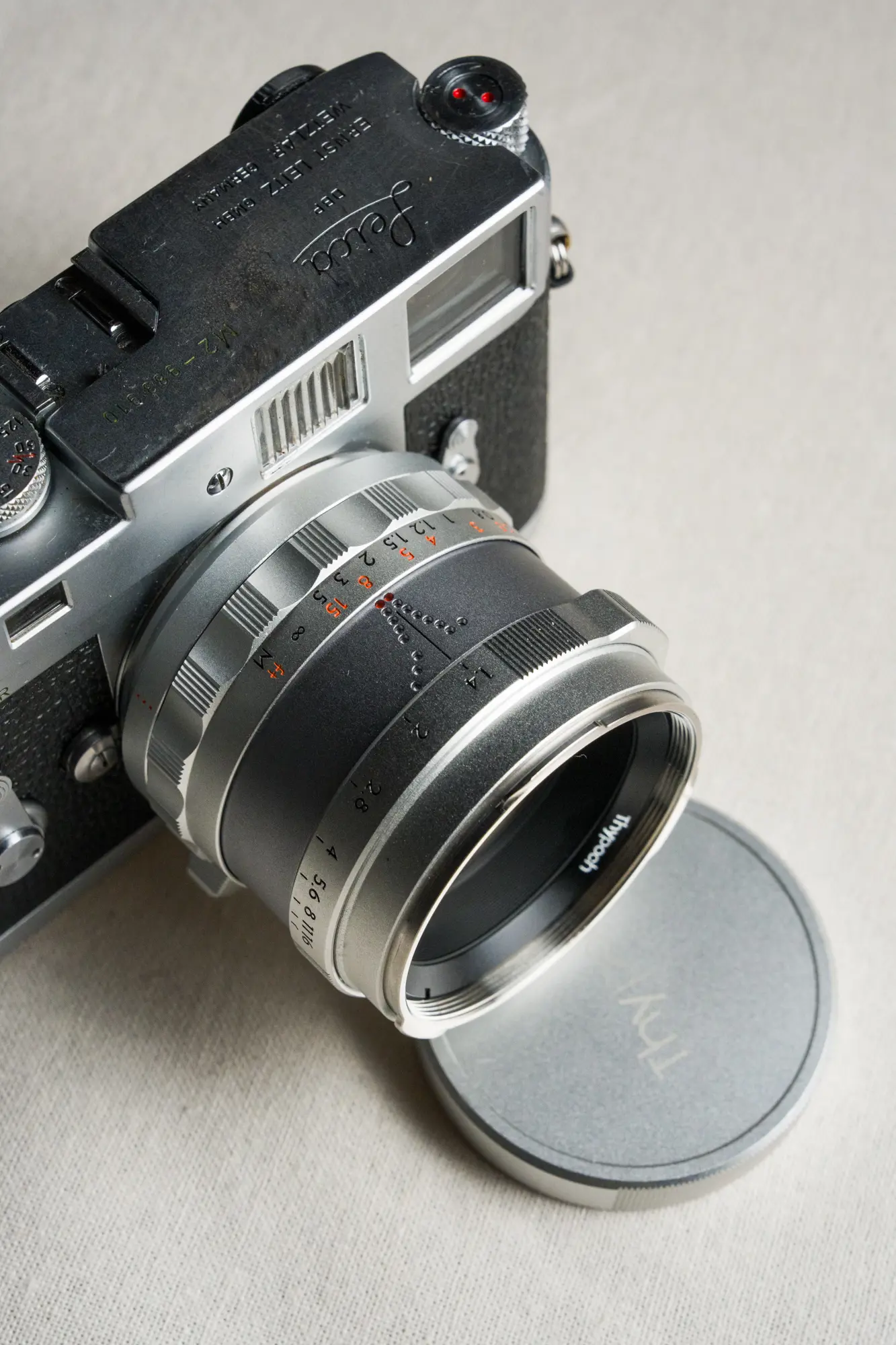
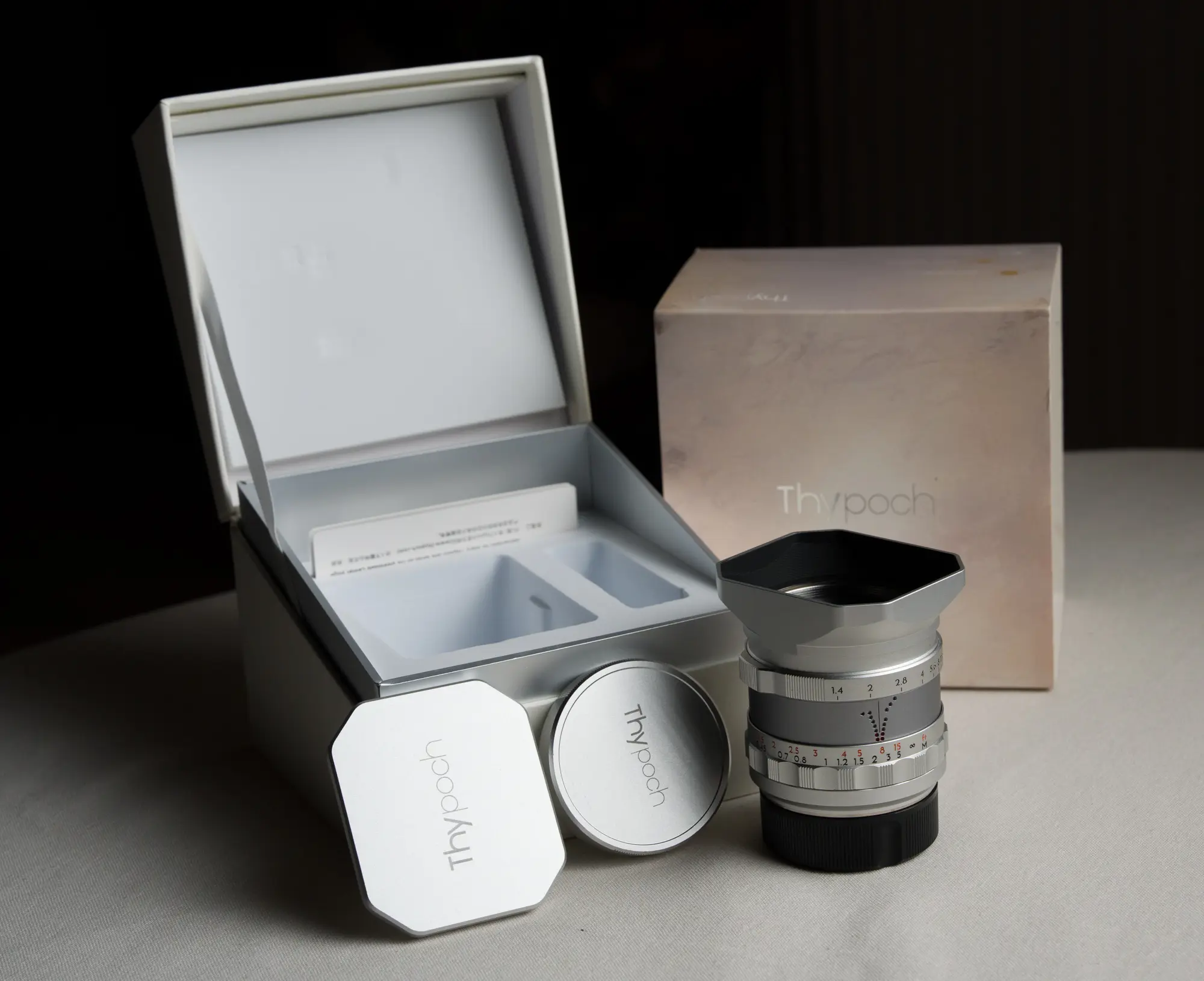
The Simera 50mm f/1.4 came with a marble-styled cardboard box which felt similar to Apple cardboard boxes, so the quality is good. The unboxing experience is nice and the lens comes with an aluminum square hood as well as two lens caps.
Background blur
Very important to some as it gives you creative options! The Simera focuses from 0.45m which means that when objects are close to the minimum focus distance, you can have background blur that reminds me of silk. Keep in mind that film or old digital Leica M cameras do not have this close focus capability. There's a subtle but noticeable notch at 0.7m that tells you're crossing this boundary if you're using cameras without live view.
I think people who like to photograph cats, food and other similar subjects will appreciate this feature.

Ease of use
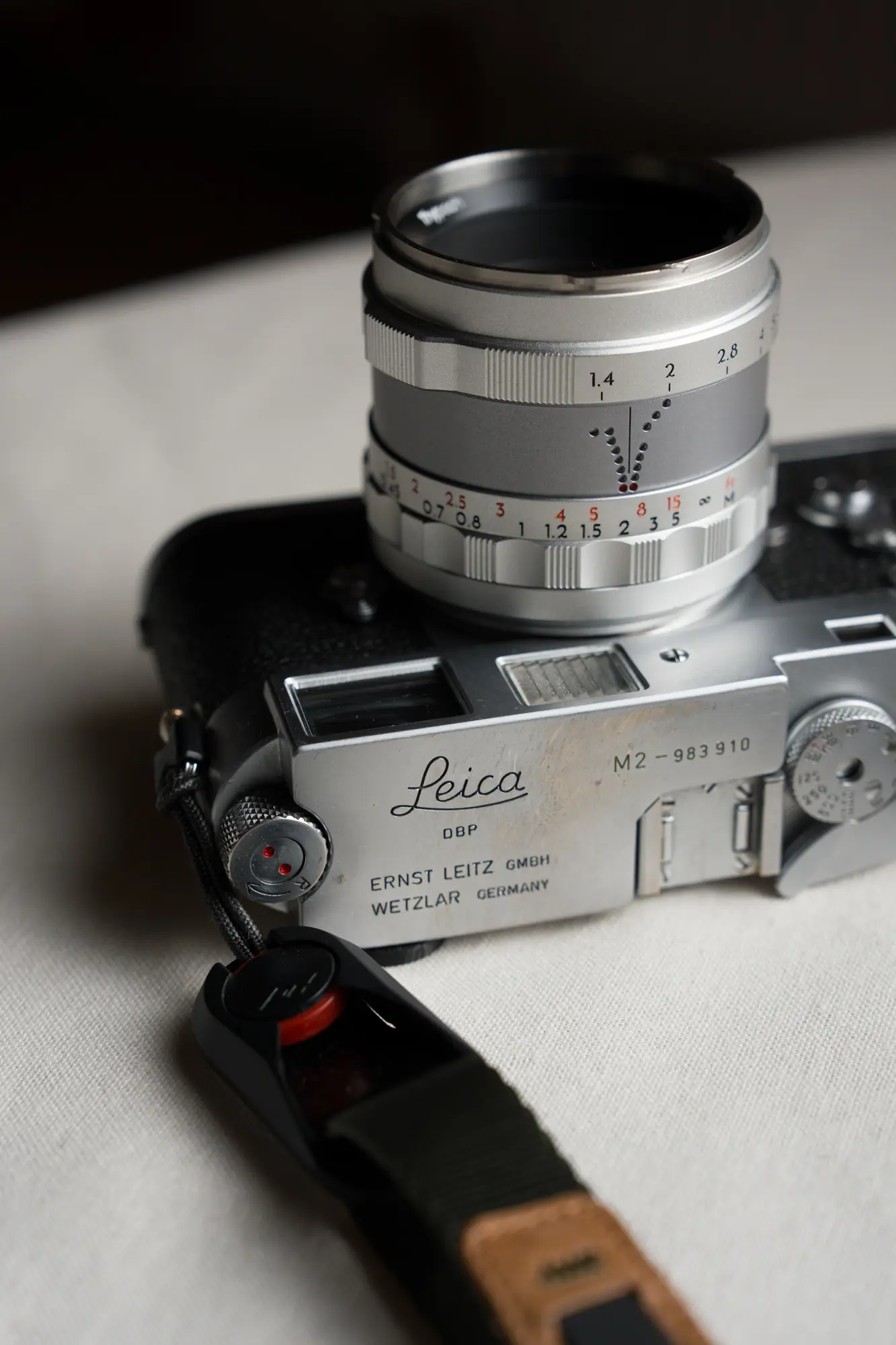
This lens is easy to use. It mounts easily on the camera, clearly showing with the three dots where the lens has to be aligned. For the hood you have line up the peek-through corner to the viewfinder and then it snaps in place. If you accidentally do it the other way around it will immediately look off kilter, so that's a good thing.
There's a moderate amount of focus throw, around 140 degrees. From 0.45m to 0.7m the focus throw is rather short, unlike the 75mm f/1.4 Simera. When setting the aperture, the depth of field markers change. This is a good way of showing what will be in focus at any given focus setting. The only downside of this depth of field marker design is that the dots are red colored, thus hard to see at night or in dimly lit conditions.
The Simera 50mm f/1.4 balances nicely on my Leica M2, also with the hood attached. I didn't use the hood a lot as I like to put my camera away when I'm not using it, especially during travel. The hood then feels like a bit of a inconvenience. But when I'm on a walk and I have the camera around my neck at all times, it doesn't add too much weight and is not inconvenient at all.
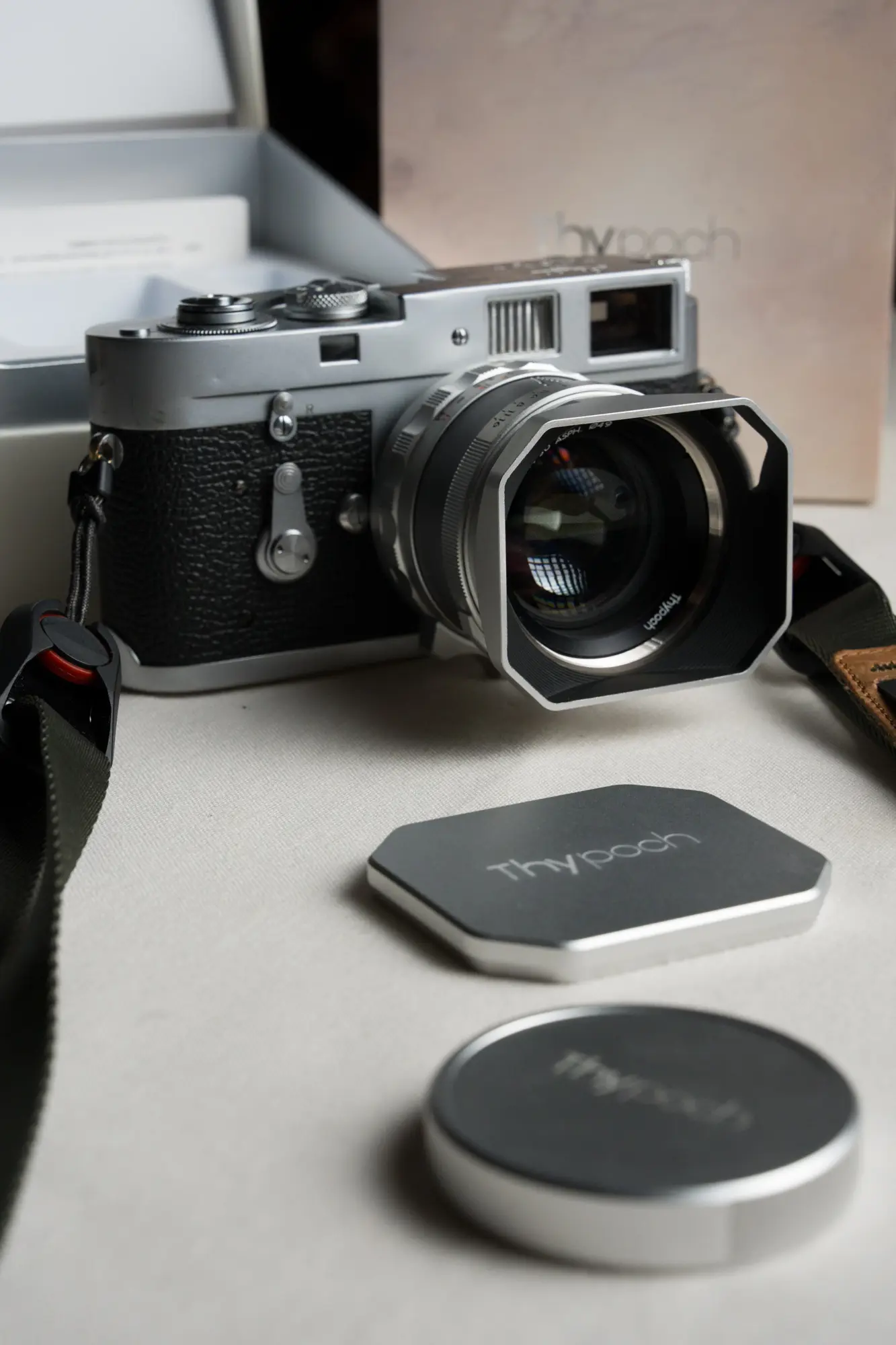
Image quality
The Simera is very sharp at f/1.4, even at minimum focus distances. At f/2 everything just sharpens up even more and gets rid of the optical vignetting. Due to the floating lens elements this lens keeps its sharpness at all focus distances. The out of focus highlights are very clean and the lens has no glow at f/1.4 at all. Due to the 14 aperture blades it still has a classic look but I'd consider this lens modern otherwise. There's something romantic in the way this lens renders images, if you like that I can recommend you this lens. This lens also shows almost no light falloff at all which is nice if you like an even brightness across the frame.
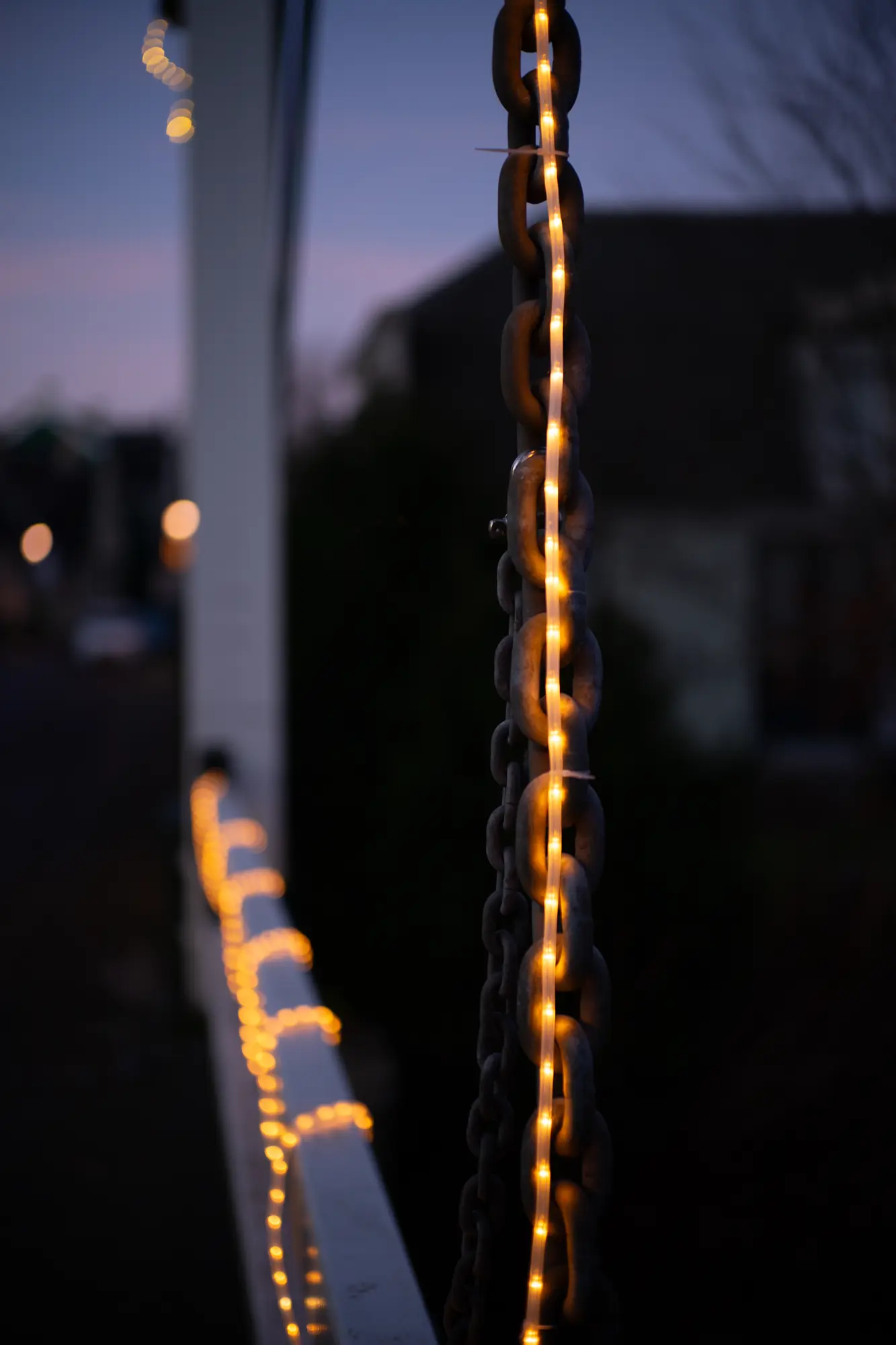
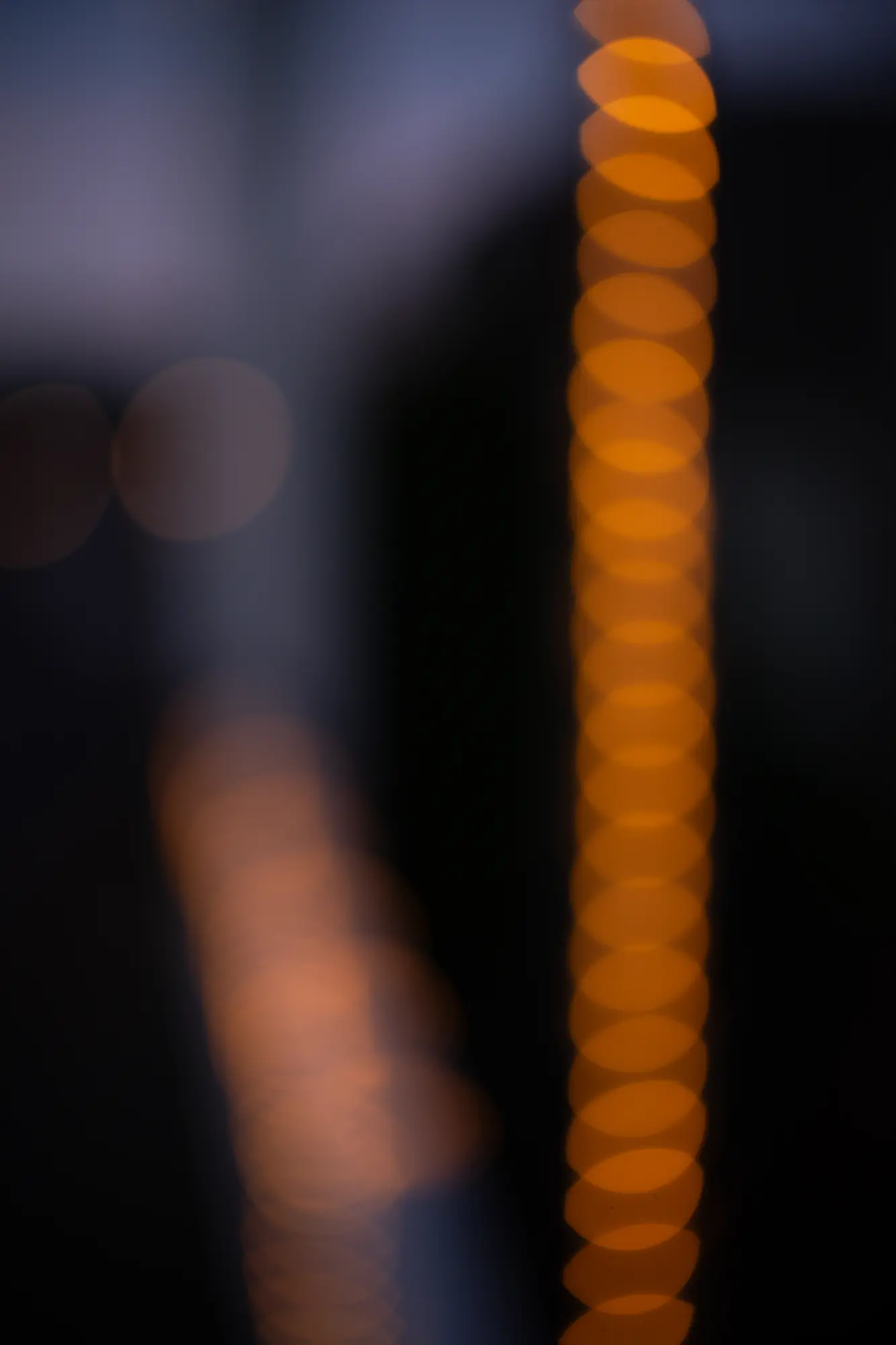
As you see above, the out of focus highlights are so clean and creamy!
Flare control
I was walking around in Westzaan with the Simera, without the hood attached. I only had two images where I was shooting fully backlit and the Simera even managed to keep the color in the images. This lens has great flare control and it is said the flare is handled better than the Summicron and Summilux, which produces more veiling flare. In that case the Simera has a bit more of a clinical look.

Those were the worst cases I could reproduce. The sun was right out of the frame, so still fantastic performance.


Compared to other 50mm lenses
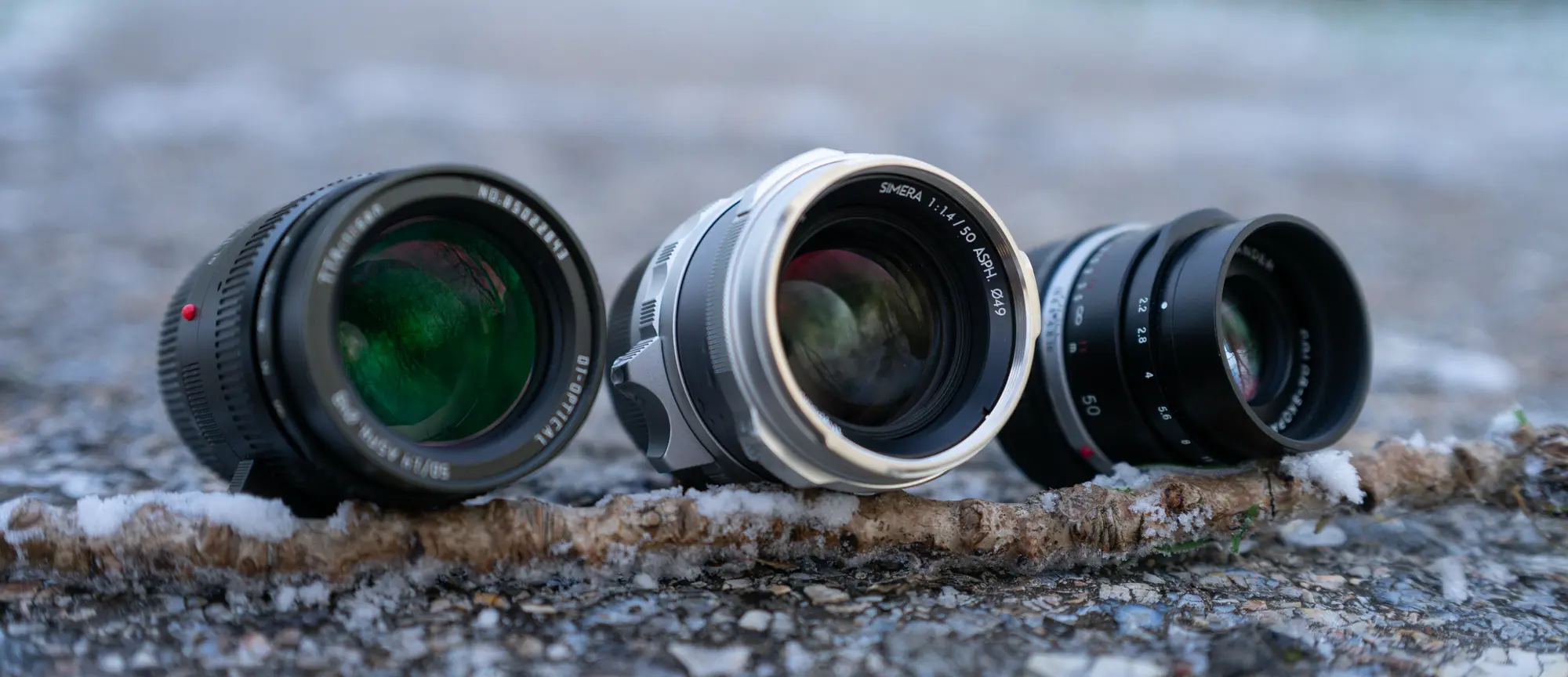
I currently only own two clear reference points, namely the Voigtlander Color Skopar 50mm f/2.2 and the TTArtisan 50mm f/1.4 ASPH. In the future when I will test the other lenses I will ensure to update this section with my own findings.
Image quality comparisons
To get started, here's a quick rendering comparison of the Simera, TTArtisan and the Color skopar at their minimum focus distances.


Now, the same comparison at 0.7m. Apologies for the not so scientific setup!


Here's a comparison at mid range, all shot at f/1.4 and the Color-Skopar at f/2.2

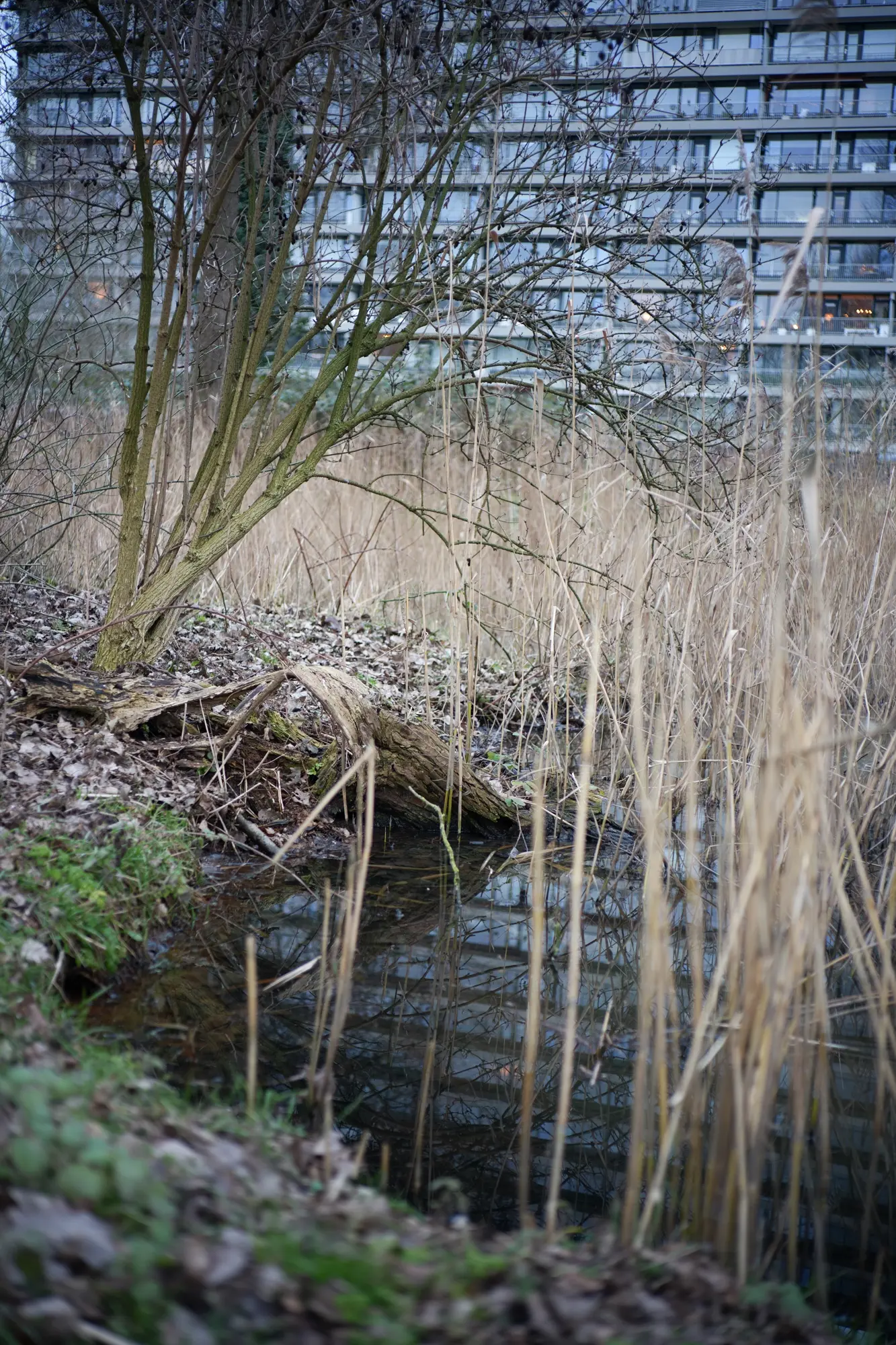
Here it's very clear that the Simera is the best performer.
Voigtlander Color Skopar 50mm f/2.2
Honestly, two completely different lenses. There's a slight difference in rendering where the Color-Skopar seem to be a little bit colder in white balance compared to the Simera. With the Skopar's 0.6m minimum focusing distance there's less background blur. But a 130g lens that is your travel companion is really great to use, stow away in your bag and not be bothered by it is something special. I think actually for film shooters I could recommend the 50mm f/1.4 Simera to give a bit more flexibility in shooting options at night if you prefer to shoot around that time, otherwise get the Color-Skopar. I think this is one of the few cases where they actually can co-exist in your M kit, where you use the 50mm f/1.4 Simera as an all-purpose lens and the Color-Skopar as a travel lens. The only con of the Voigtlander Color Skopar is the dark vignetting at lower apertures (under f/4) which the Simera doesn't have.
TTArtisan 50mm f/1.4 ASPH.
With a price of 350-400 EUR/USD, or 250-300 in the secondhand market this lens can be an compelling buy. I could immediately tell in my results that the Simera showed better contrast, better colors and the handling is improved. Design wise the Simera also looks better. The flare control of the TTArtisan is quite bad compared to the Simera. If you're taking images I think it's important to bring a lens that motivates you to go outside. The Simera is lighter, 281g vs 400g of the TTArtisan 50mm f/1.4.
The only thing that TTArtisan has going for itself is the amazing price/performance ratio, which can be hard to beat. Although in my opinion, if you can afford it, it is really worth it to shell out extra for the Simera. You'll get a more versatile lens (better MFD), a lens hood as well as better optical performance.
[image of simera next to ttartisan and color-skopar]
Leica Summilux-M 50mm f/1.4
Phillip Reeve’s tests show that the Summilux has very strong contrast in the center of the frame, which contributes to its rendering character and gives subjects a bit more presence. At the same time, performance drops off more noticeably in the midzone and corners when used wide open. The Simera is more even across the frame in comparison, especially at closer distances. Both lenses use a floating element design, so focus shift is well controlled.
In direct comparisons, the differences in rendering are quite subtle. The Summilux tends to look a bit more refined overall, with smoother and more even bokeh, especially towards the edges where it keeps rounder highlight shapes, as known better controlled optical vignetting. It can show some onion ring structure in specular highlights, though this is usually not very distracting.
The Simera comes very close, but has slightly higher overall contrast and a bit more structure in the background blur, which can make it feel a touch more modern or punchy. It also handles highlight artifacts a bit more cleanly in some situations, at the cost of slightly stronger optical vignetting and more cat-eye shaped highlights towards the edges.
In real use, the differences are hard to spot without a direct comparison. The Summilux feels a bit more polished and consistent, while the Simera leans slightly more towards contrast and clarity.
In my opinion the Leica Summilux is the better looking lens, with better font design that looks more consistent across the board. The Simera has a detachable lens hood, with the Summilux it's a built in hood.
Leica Summicron-M 50mm f/2 V
The Summicron-M 50mm f/2 (V) takes a different approach compared to the Simera. It’s a much older and simpler design, and you can see that reflected in the specifications. The lens is smaller, lighter (240g, thus a 40g difference), and more compact overall, which makes it a very popular choice for everyday use. The Summicron also has a built in hood.
In terms of rendering, the Summicron is generally described as more neutral. It doesn’t emphasize subject separation as much, and images tend to look more balanced. The transition from in-focus to out-of-focus areas is smooth, but less pronounced compared to the Simera due to the f/2 aperture. Backgrounds remain more recognizable, which can work well for street or documentary-style photography.
The Simera is a more modern design. With its f/1.4 aperture and closer minimum focus distance of 0.45m (compared to 0.7m on the Summicron), it allows for stronger subject isolation and more background blur. Especially at closer distances, this gives it a more distinct look, with subjects standing out more clearly from the background.
There is also a difference in how both lenses render a scene, but this is mostly noticeable when shooting wide open or close to the subject. The Simera, with its f/1.4 aperture and closer minimum focus distance, makes it easier to isolate subjects and create stronger separation. The Summicron, limited to f/2 and a longer minimum focus distance, naturally keeps more of the scene in focus.
When both lenses are stopped down to the same aperture, these differences become much smaller and the rendering is more comparable.
From a technical point of view, the Simera is the more complex lens, with 8 elements in 6 groups compared to 6 elements in 4 groups for the Summicron. It is also designed to perform well at closer distances, which is something the Summicron was not originally optimized for.
On paper and in comparisons, the difference is quite clear. The Summicron leans towards a compact, balanced, and more traditional rendering, while the Simera offers more flexibility and a stronger visual impact, especially when working close to your subject.
The price difference is also clear, with the Summicron being available used from USD 1400 / EUR 1200 and the Simera at USD 759 / EUR 709 new, often discounted in the Thypoch store. Get the Leica if you want a Leica, otherwise the Simera is the more sensible choice.
Leica Summarit-M 50mm f/2.4
The Summarit-M 50mm f/2.4 is one of the most compact and simplest of the lenses compared here. It’s designed to be small, lightweight, and more affordable, and that shows both in the specifications and in how it renders images. The closest contender is the Voigtlander 50mm f/2.2 Color Skopar.
In terms of rendering, the Summarit is generally more straightforward and less expressive. It has good contrast and sharpness, but doesn’t emphasize subject separation as much as the Simera. With its f/2.4 aperture and 0.8m minimum focus distance, it naturally keeps more of the scene in focus, which makes it well suited for everyday and street photography.
Compared to the Simera, it offers less flexibility when it comes to background blur and close-up work. The Simera’s f/1.4 aperture and 0.45m minimum focus distance make it easier to isolate subjects and create a more distinct look, especially at closer distances.
When both lenses are stopped down, the differences become smaller and the rendering is more comparable. The main distinction comes from how they are intended to be used: the Summarit as a compact, standard lens, and the Simera as a more modern and flexible option with stronger subject separation.
Voigtlander Nokton 50mm f/1.5 II VM
The immediate difference is that the Nokton is noticeably lighter at 198g, around 80g less than the Simera, while still offering a similar maximum aperture. This makes it a very appealing option if you want to keep your setup as compact and light as possible.
The optical design is quite different. The Nokton does not use a floating element, which means it can show a slight amount of focus shift when stopping down. In practice this is usually minor, but it’s something to be aware of.
The rendering is also clearly different. The Nokton has a bit more character, especially in the out-of-focus areas. Bokeh can appear slightly swirly, with more pronounced cat-eye shapes towards the edges. This gives it a more vintage feel compared to the Simera, which looks cleaner and more controlled overall.
The Simera, being a more modern design, is more consistent across different distances and apertures. It has higher contrast and smoother transitions, and generally feels more corrected. It also focuses closer (0.45m vs 0.7m), which gives you more flexibility when working up close.
In terms of handling, the Nokton does not come with a focus tab, while the Simera does. Depending on your shooting style, that can make a difference in how quickly and intuitively you can focus.
If you’re looking for a fast 50mm lens and want to keep things light for travel, the Nokton is a very solid option. If you prefer a more modern rendering with better close focus performance and more consistency, the Simera makes a stronger case, especially considering the price.
I will most certainly be buying these lens(es) to test out, so stay tuned and subscribe to our YouTube channel or our RSS feed if you prefer written content.
Conclusion
The Thypoch Simera 50mm f/1.4 is a well-rounded and thoughtfully designed lens that offers a strong balance of speed, weight, optical performance, and price. Its floating element design helps it stay sharp throughout the focus range, while the 0.45m minimum focus distance, good flare resistance, and smooth rendering make it more versatile than many competing M-mount 50mm lenses. It will especially appeal to Leica M users who want a fast standard lens with a modern look, but without the cost and heft of a Summilux. It is not the most characterful or weather-sealed option, and rangefinder-only shooters will not fully benefit from the close-focus capability, but those are relatively small compromises. While the design is quite distinctive, it suits M bodies well, especially in silver. For the money, this is an easy lens to recommend, and one that comfortably earns my “Excellent” rating.
Want to buy this lens?
At $749 / €709 from the Thypoch Store, I think it offers good value. Thypoch also tends to run discounts, often around 15–20%, and the code LEICALENSLIST gives you an extra 5% off on top. That brings the price to USD 711, or EUR 673,55. During Black Friday / Christmas sales you can get the price down closer to $550 if you're willing to wait.
The code LEICALENSLIST also works when the lens is not discounted, giving you 5% off.
PS: We'll be adding a feature in which you can compare different lenses' output. Stay tuned and come back later to this blog to see direct comparisons with the TTArtisan 50mm f/1.4 and the Color Skopar 50mm f/2.2.
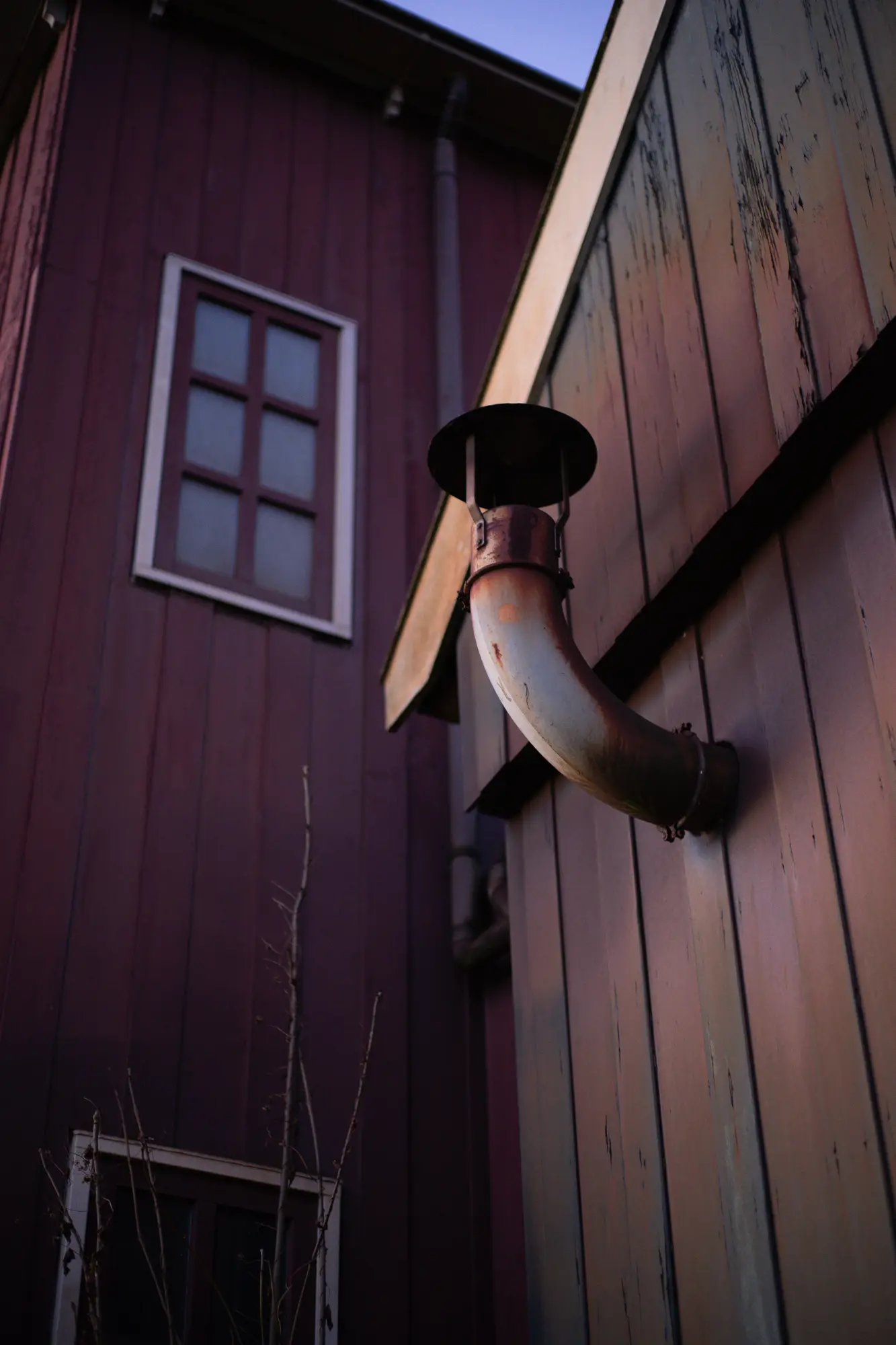
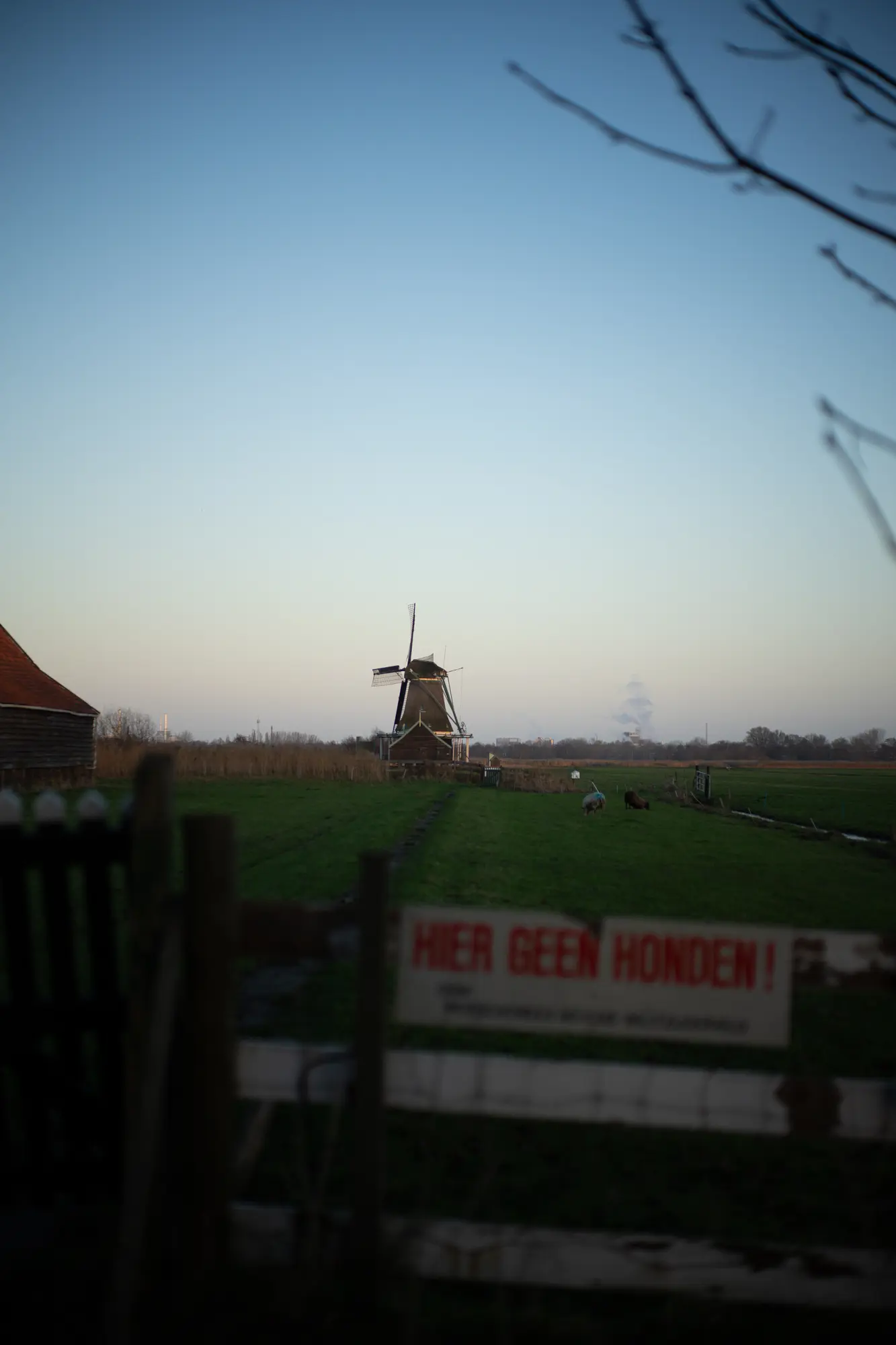
Film images
All images are shot on Ektar 100.


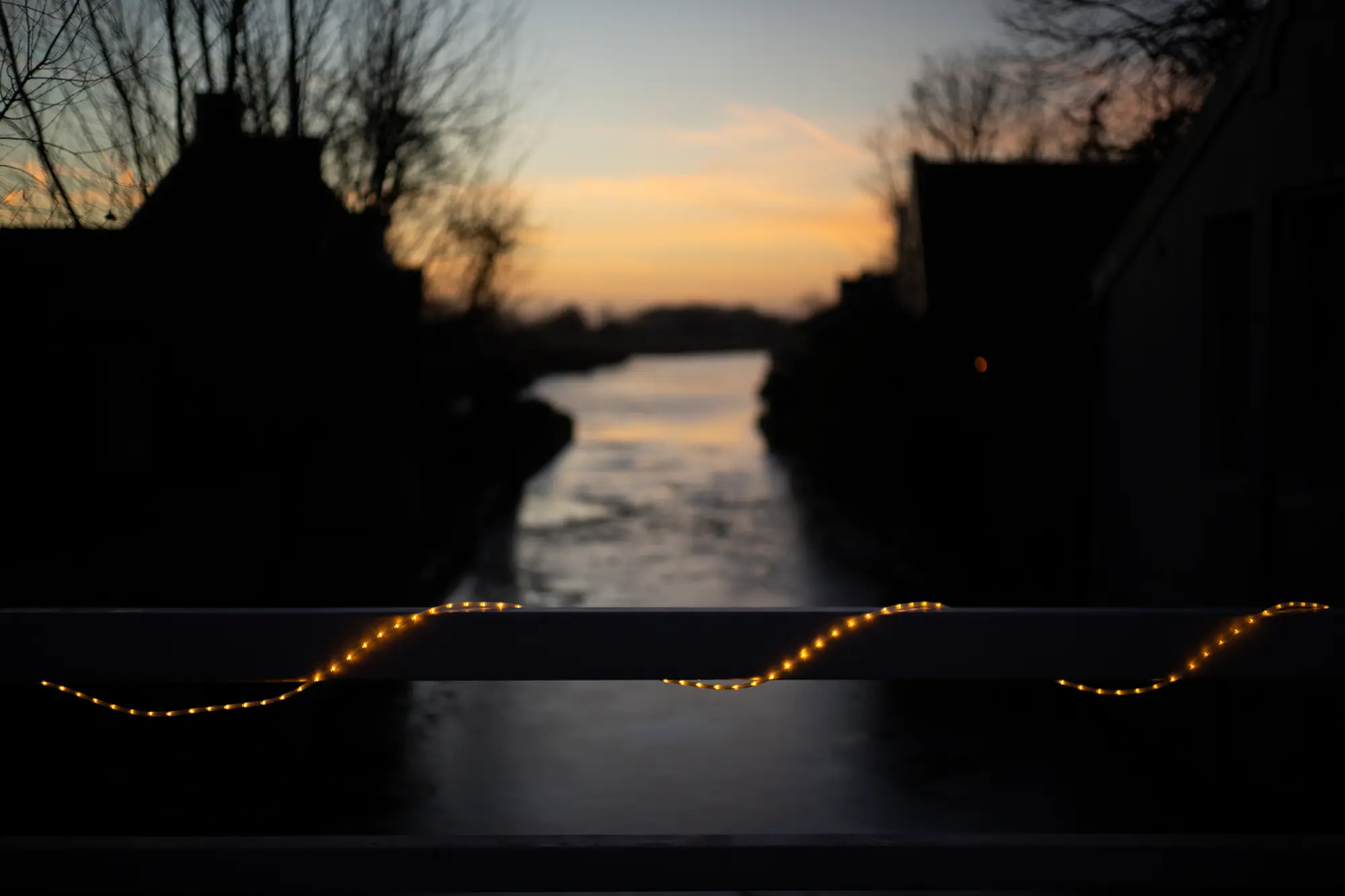
Digital images
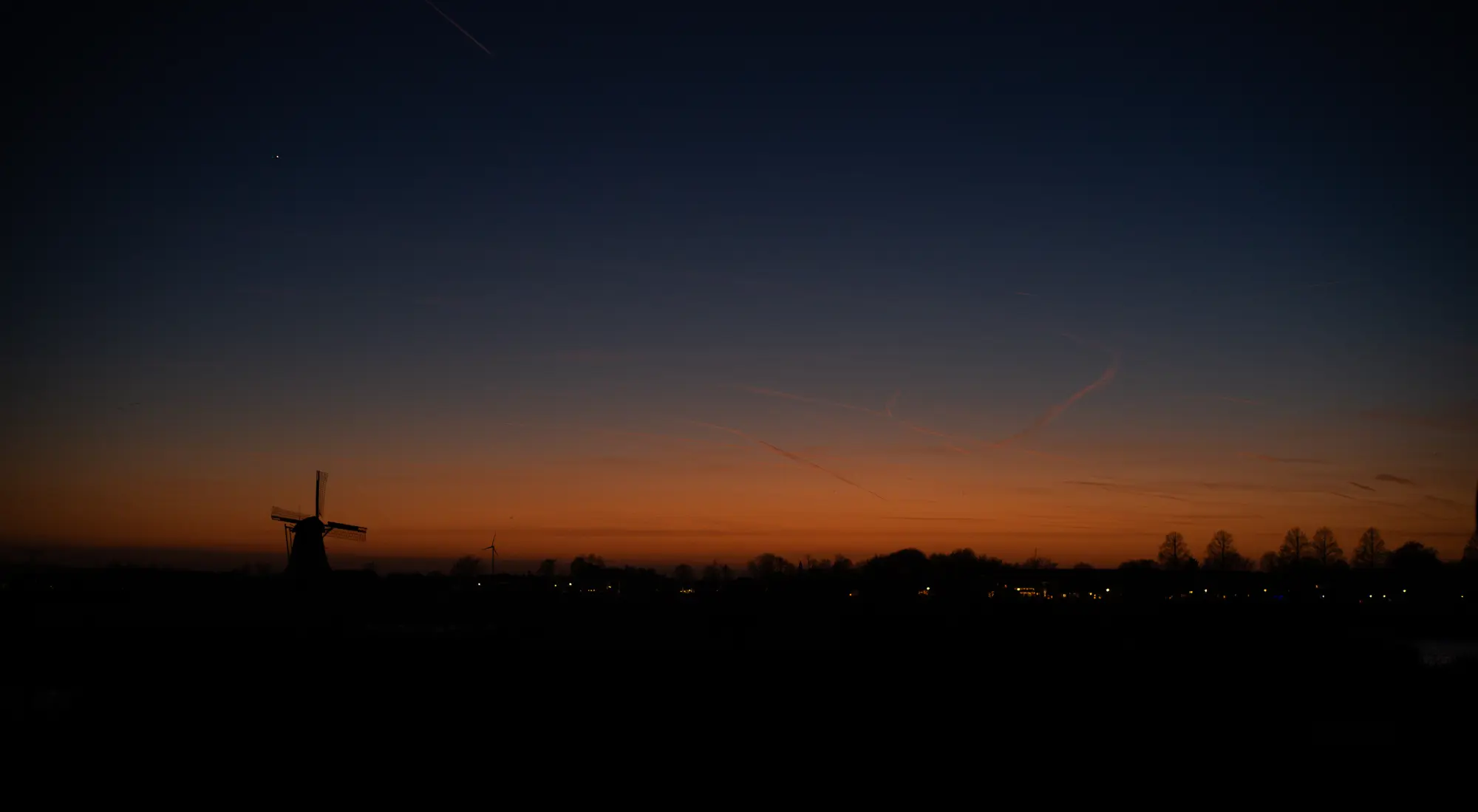
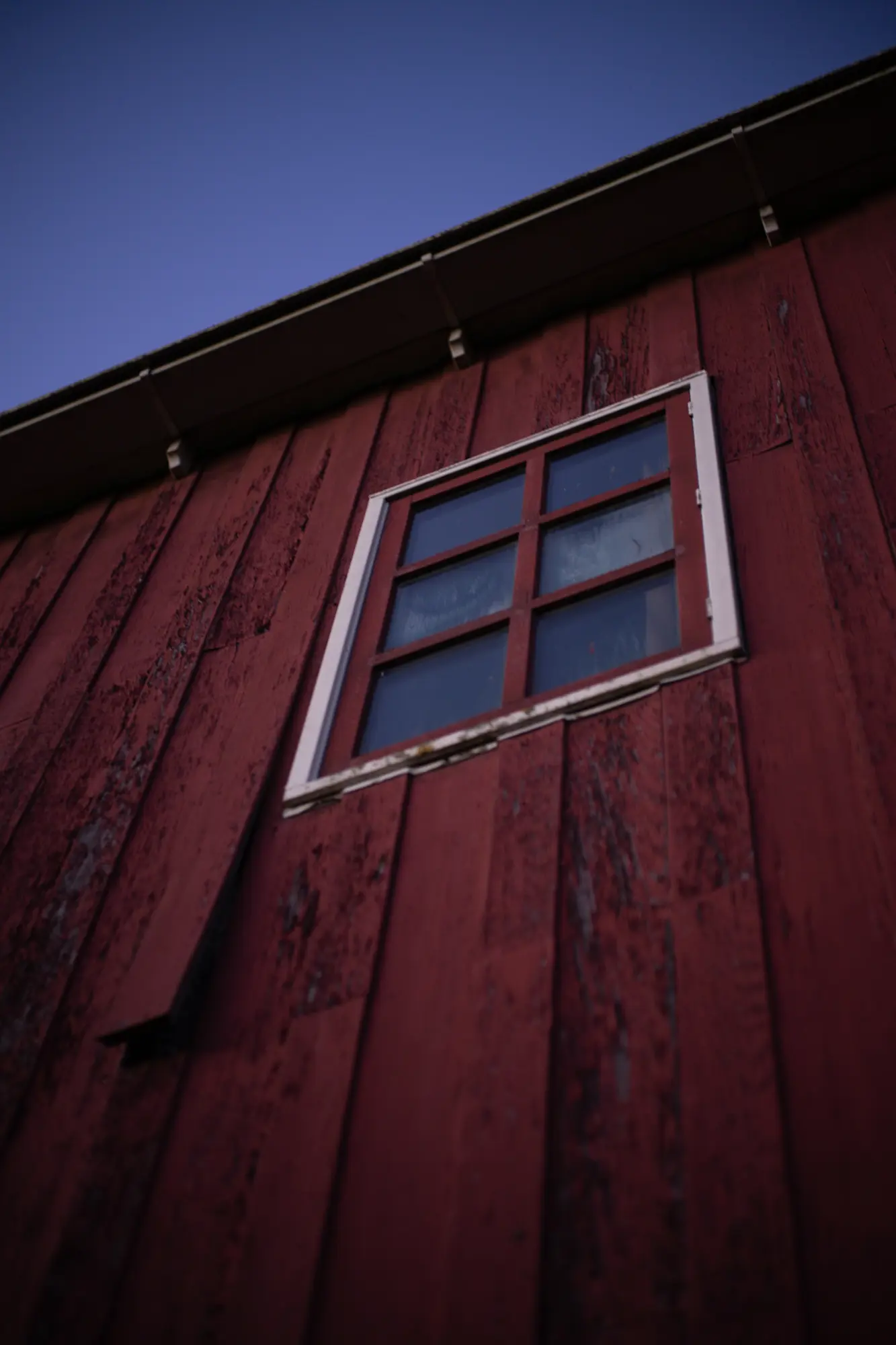
All shot on a Sony A7 Mark 1, around f/1.4 to f/2.8.



Comments